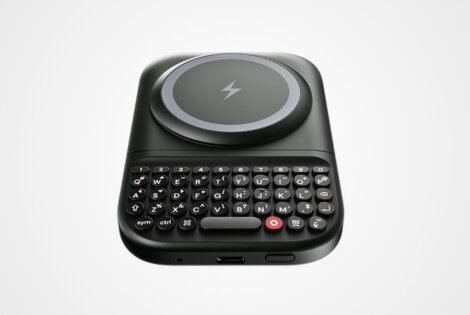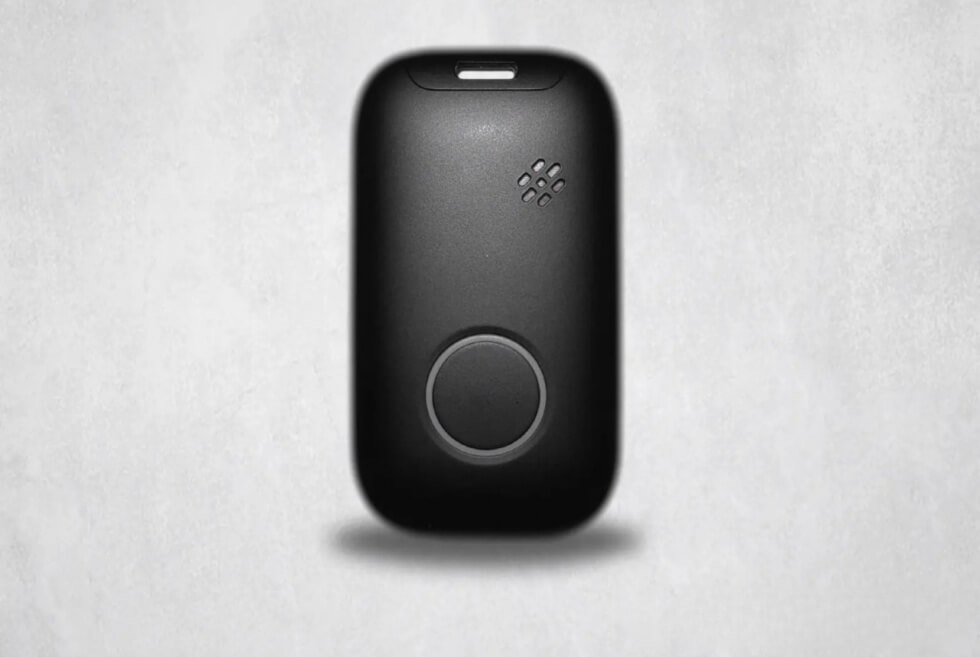
The men’s gear conversation has expanded over the last decade. Pocket dump posts now sit alongside discussions about wearable health monitors, GPS trackers for kids, and emergency-response devices for aging parents. The medical alert necklace is one of the quieter additions to that broader lineup, and it deserves a closer look from anyone responsible for a parent’s daily safety.
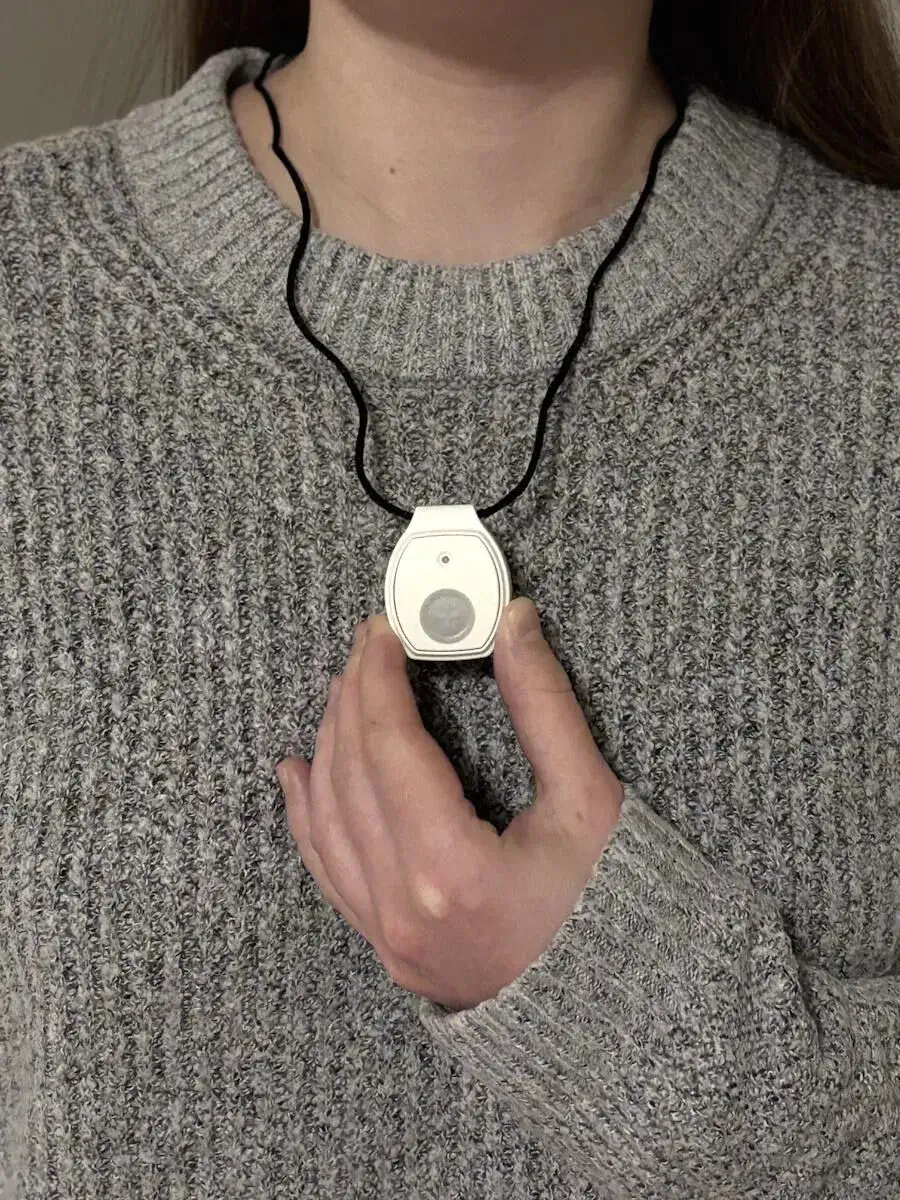
The product category sits at the intersection of unobtrusive design and serious utility. The right wearable medical alert necklace looks like everyday neckwear and works like a one-button lifeline when something goes wrong. Men evaluating the device for a father, mother, or spouse benefit from the same gear-evaluation discipline they apply to the rest of their kit.
Why Do Older Men Often Resist Wearing a Medical Alert?
The resistance is real and worth understanding before the conversation starts. Older men frequently equate wearing a medical alert with admitting defeat. The device looks medical, the lanyard reads as institutional, and the wearer feels marked. The first generation of devices reinforced that perception with bulky pendants and obvious branding.
The newer generation has moved past it. Modern pendants look closer to a fitness tracker on a chain than a hospital ID tag. The design choice matters because the device only works if the wearer keeps it on.
A pendant left in the bedside drawer protects no one. The CDC’s overview of older-adult fall prevention makes the point clearly. The gap between intention and behaviour drives most preventable bad outcomes. Concept devices like the Mylo braille insulin pen point to the same lesson, where thoughtful form-factor design is what gets a daily-use medical product actually used.
What Should Men Look For in a Wearable Pendant?
Six specifications drive the purchase. The table below sums up the priorities for men evaluating the device for a parent or themselves.
| Specification | Why It Matters | What to Look For |
| Form factor | Daily wearability | Pendant under 40 g, low-profile chain |
| Water resistance | Shower is the highest-risk room | IPX7 minimum, full submersion rated |
| Fall detection | Auto-trigger when wearer cannot press | Built-in, not add-on subscription |
| Battery life | Sustained wear without daily charging | 5+ days on a charge |
| Cellular coverage | Works outside the home | Built-in 4G/LTE, no base-station tether |
| Two-way voice | Real conversation with the responder | Speaker + mic in the pendant itself |
The men who run through these six items before the purchase tend to land on a device the parent or spouse keeps on. The men who skip them end up replacing or returning the unit within ninety days.
How Does a Medical Alert Necklace Fit Active Daily Routines?
Active older men often resist the device because they assume it cannot keep up. The premise is wrong. Modern medical alert necklaces are built for golf rounds, garden work, light hiking, and travel. The pendants are sweat-resistant, drop-rated, and engineered to look like a sport accessory rather than a medical accessory.
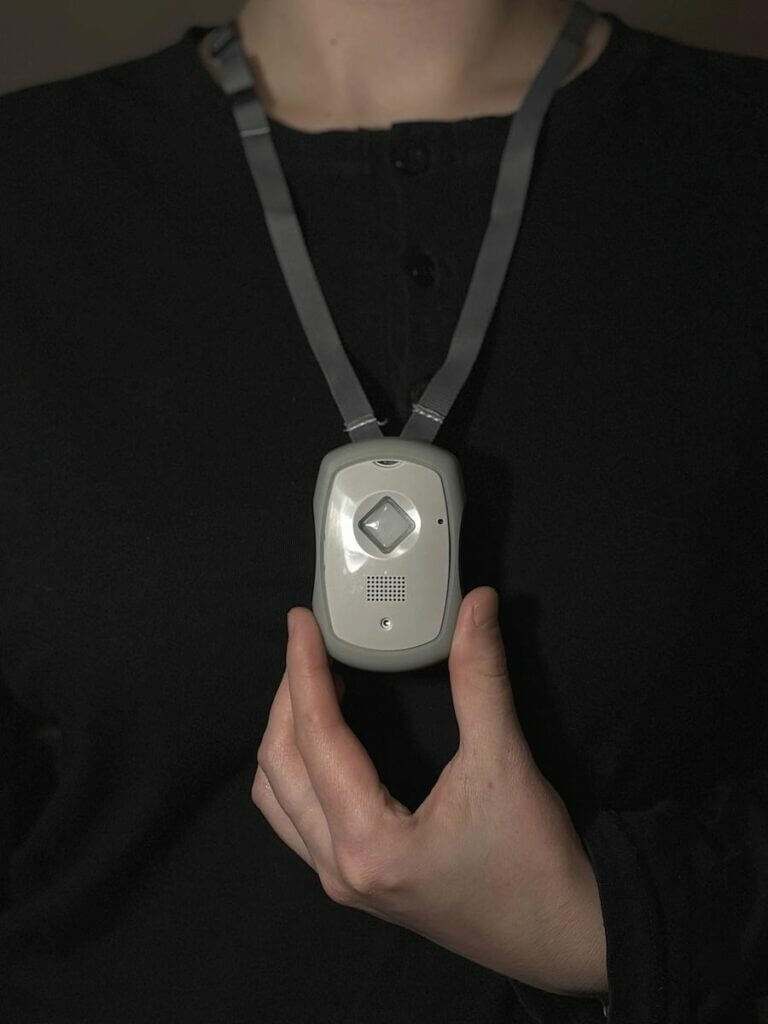
The same ergonomic thinking that drives premium men’s gadget design carries into the medical-wearable category. Pendants now ship with adjustable lanyards, magnetic clasps, and design palettes that read modern. The wearer keeps it on because it does not feel like medical equipment. The device responds when needed because it stayed on.
What Mistakes Do Men Make When Choosing the Device?
Several patterns recur. The first is buying on price alone. The cheapest pendants usually cut on the cellular network, the response-centre staffing, or the pendant materials. The cost gap between budget and well-engineered tiers is small relative to what it buys when minutes matter.
The second is choosing without consulting the wearer. Devices selected without input often end up in the drawer. A 15-minute conversation with the parent or spouse usually surfaces the form factor they will accept.
The third is skipping the trial period. Most providers offer 30 to 60 days to test. A weekend test in the actual home environment surfaces whether the cellular signal holds in the bathroom and basement. The fourth is treating the purchase as a one-time event. The fifth is forgetting the family-portal setup, which lets adult sons and daughters see device status from another city or country.
What Is the Bottom Line for Men Considering the Pendant?
The medical alert necklace earns the place in a modern men’s gear lineup. The product solves a real problem with a discreet form factor and a well-defined response chain. AARP’s overview of caregiving fundamentals frames the broader context, and the medical alert sits inside that frame as one of the highest-impact decisions the caregiver can make. The right pendant looks like everyday wear and works like a serious safety device when the worst-case moment lands. Men who run the pre-purchase homework end up with a device the wearer keeps on, which is the only metric that ultimately matters.
Frequently Asked Questions
How Much Does a Medical Alert Necklace Cost?
Monthly monitoring runs $30 to $60 USD. The pendant is often included or rents for a small monthly fee. Premium models with built-in cellular and fall detection sit at the upper end of that range. Annual contracts usually save 10 to 20 percent over month-to-month plans, and most providers waive the activation fee for the first year on a longer contract.
Can the Pendant Be Worn in the Shower?
Yes, on most modern devices. Look for IPX7 or higher water resistance, which covers full submersion in the shower or bath. Bathrooms are statistically the highest-risk room for falls, so shower-rated pendants are the right baseline.
How Does Fall Detection Actually Work?
The pendant’s accelerometer detects sudden orientation changes that match a fall pattern. The device gives a 20 to 30 second cancellation window in case the wearer is fine, then auto-dials the response centre. Modern algorithms cut false positives meaningfully versus the first-generation devices, though no detection system is perfect and a manual button press is still the primary trigger.
Does the Pendant Need Cell Service to Work?
Modern medical alert necklaces have built-in cellular and do not require a home base station. The pendant works wherever there is mobile signal, including outside the home and on the road. Older base-station designs that only worked indoors have largely been retired by the major providers.