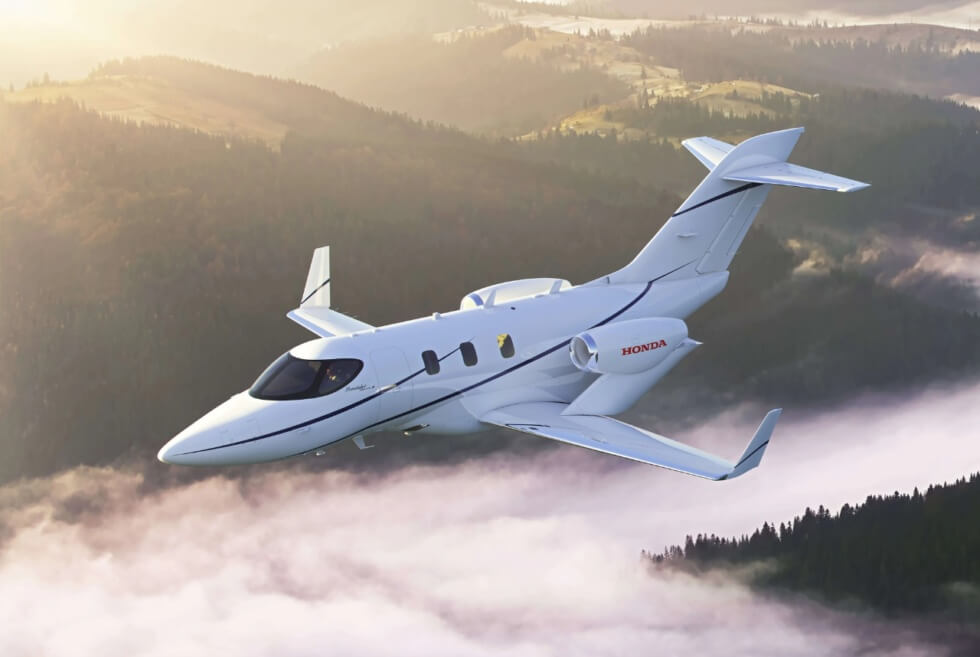
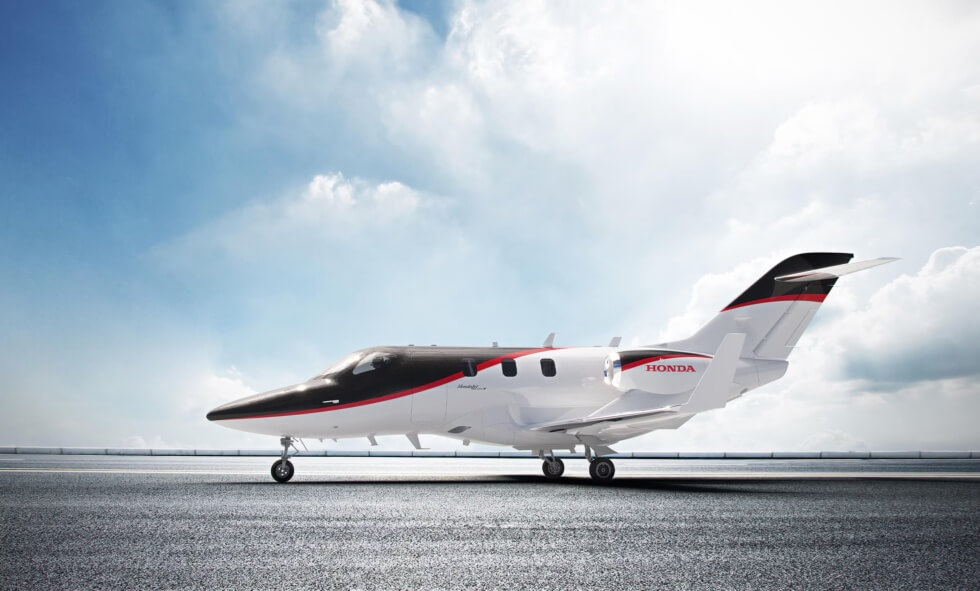
Cirrus kicked off the year with a new flagship — the G3 Vision Jet. With a slew of remarkable upgrades, it’s an enticing option for those in the market for a capable mid-size aircraft. Nonetheless, before you make that final decision, Honda Aircraft Company is also offering the latest Hondajet Elite II with a series of notable tweaks of its own.
Discussions regarding the unique selling points of aviation platforms may not concern the average consumer. However, it matters to people who find it a necessity. First-class offerings by the world’s top airlines may seem more appealing, but they may not be practical for the affluent few. This is where business jets come into play.
With a ride like the Hondajet Elite II, there is no need to book a scheduled flight. Instead, you can freely come and go as long as the air traffic control tower says so. Anyway, according to the manufacturer’s press release, a noteworthy change across the fleet involves safety. Moving forward, the flight deck is incorporating Garmin’s Emergency Autoland (EAL) technology.
Likewise, reports tell us the aircraft in question is the first under the very light twinjet (business segment) classification to be certified by the Federal Aviation Administration (FAA) as compatible with Garmin’s new system. As the name implies, it can be manually activated or automatically engages when a pilot becomes unresponsive.
When the EAL takes over, it selects the nearest airport relative to the Hondajet Elite II and initiates emergency landing procedures. After alerting ATC, factors such as weather, runway length, fuel, and terrain are also taken into account. Overall, we believe this is one of the best contingency features to have in case of an emergency.
Learn More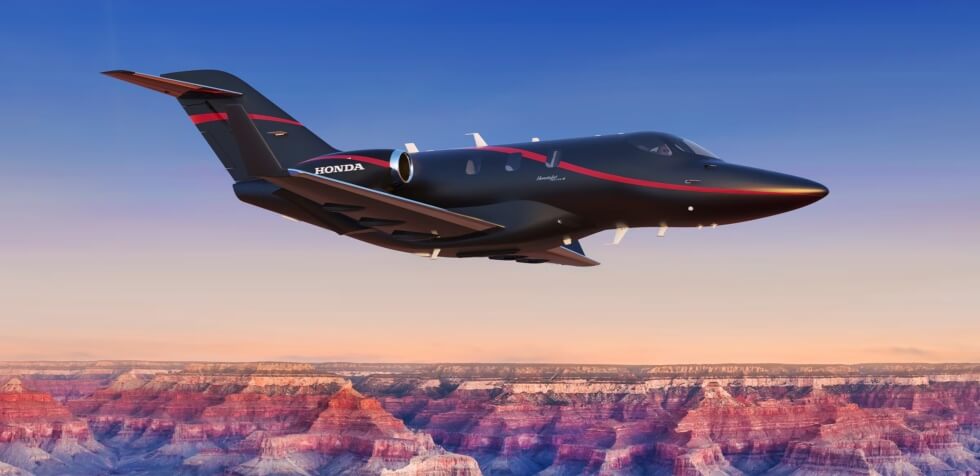

Images courtesy of Honda Aircraft Company