Whenever a client gets in touch with a design firm, there are several crucial factors to consider before the team develops a blueprint. These generally involve the number of floors, motif, materials, the property’s total area, and the site’s topography. One of the hallmarks of a great studio is how it incorporates the existing terrain into the design. A great example of such a feat is the Astrup Garden.
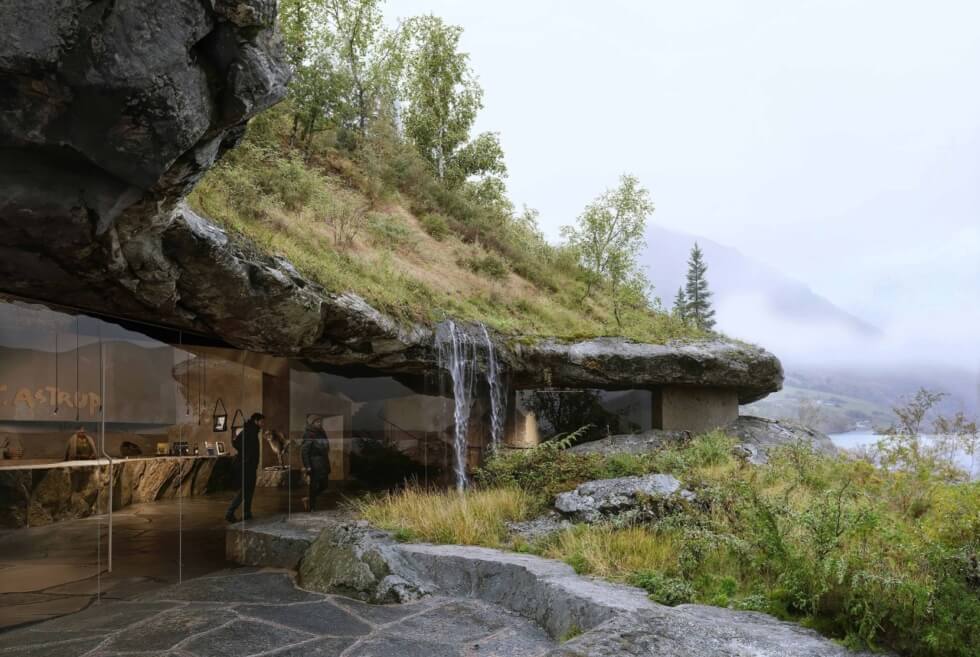
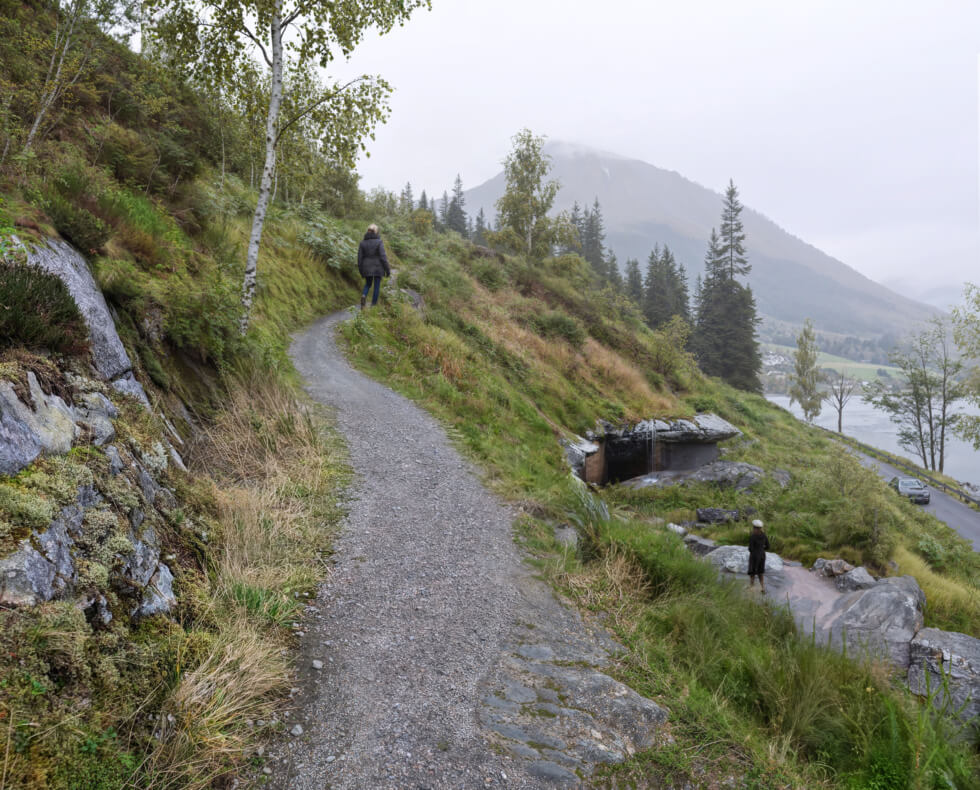
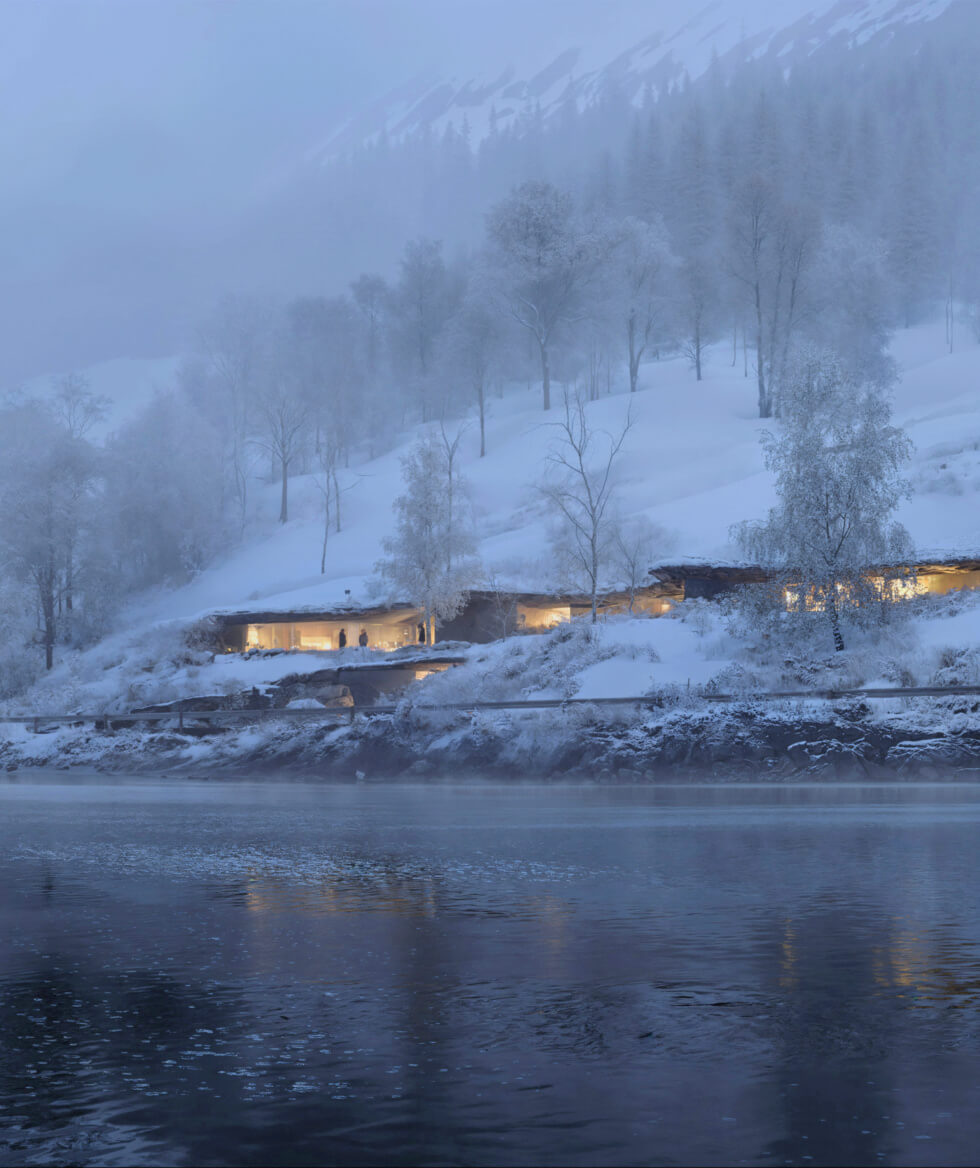
At first, the location looks like your typical hillside with a gradual slope that leads to the water below. However, PAX Architects embedded a 16,146-square-foot plan for a museum. “We aim to create a visitor center shaped by the landscape, where nature can be experienced as Nikolai Astrup experienced it – alive, magical, and filled with a spiritual dimension,” reads the press materials.
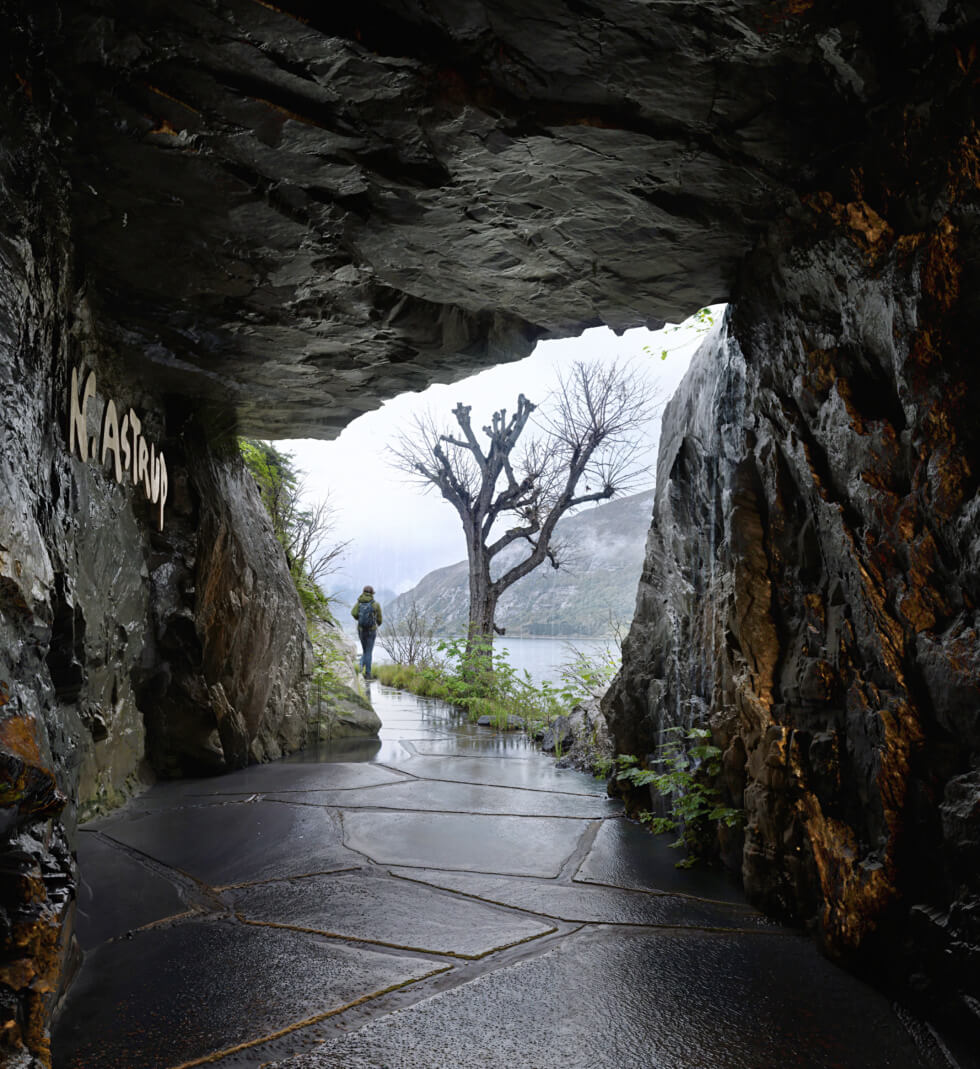
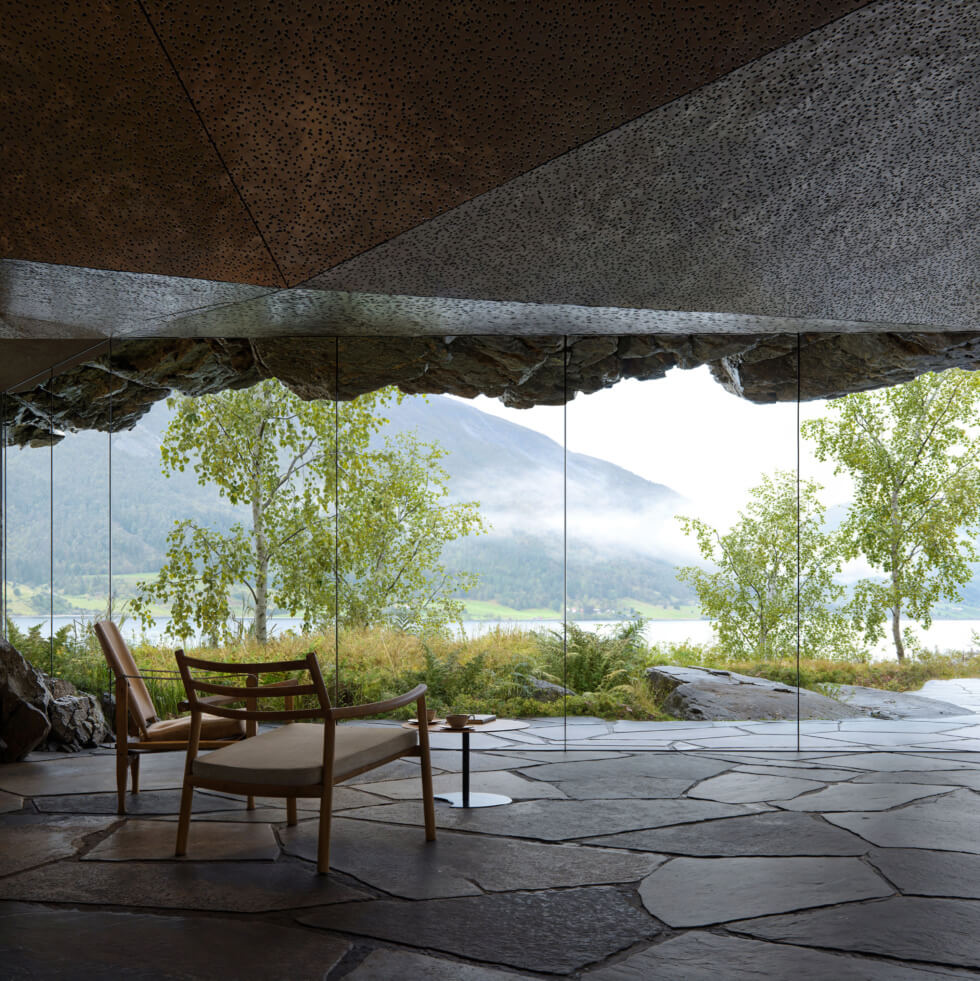
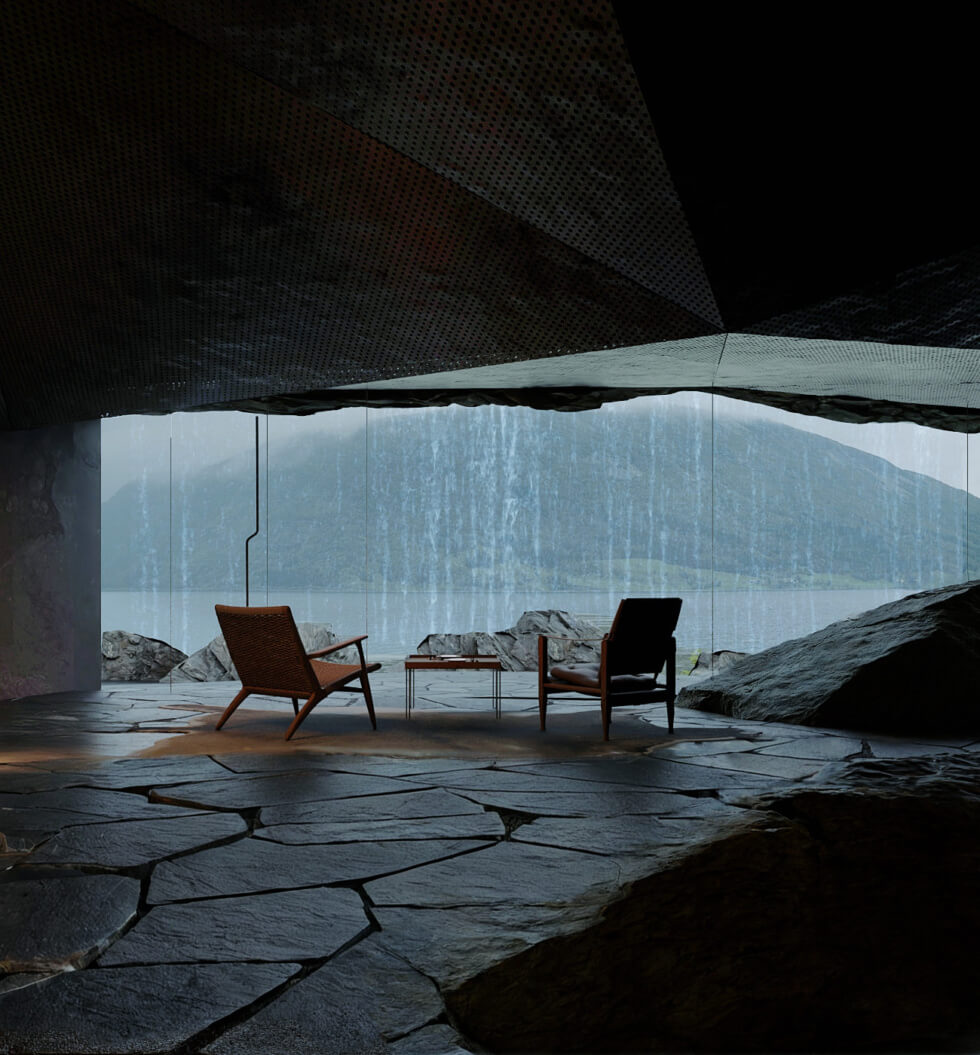
The Astrup Garden makes good use of the natural landscape to frame every facet of its layout. The natural rocks and vegetation contrast with the glazing that protects a modern interior from the elements. Within are various paintings by the artist for everyone to appreciate.
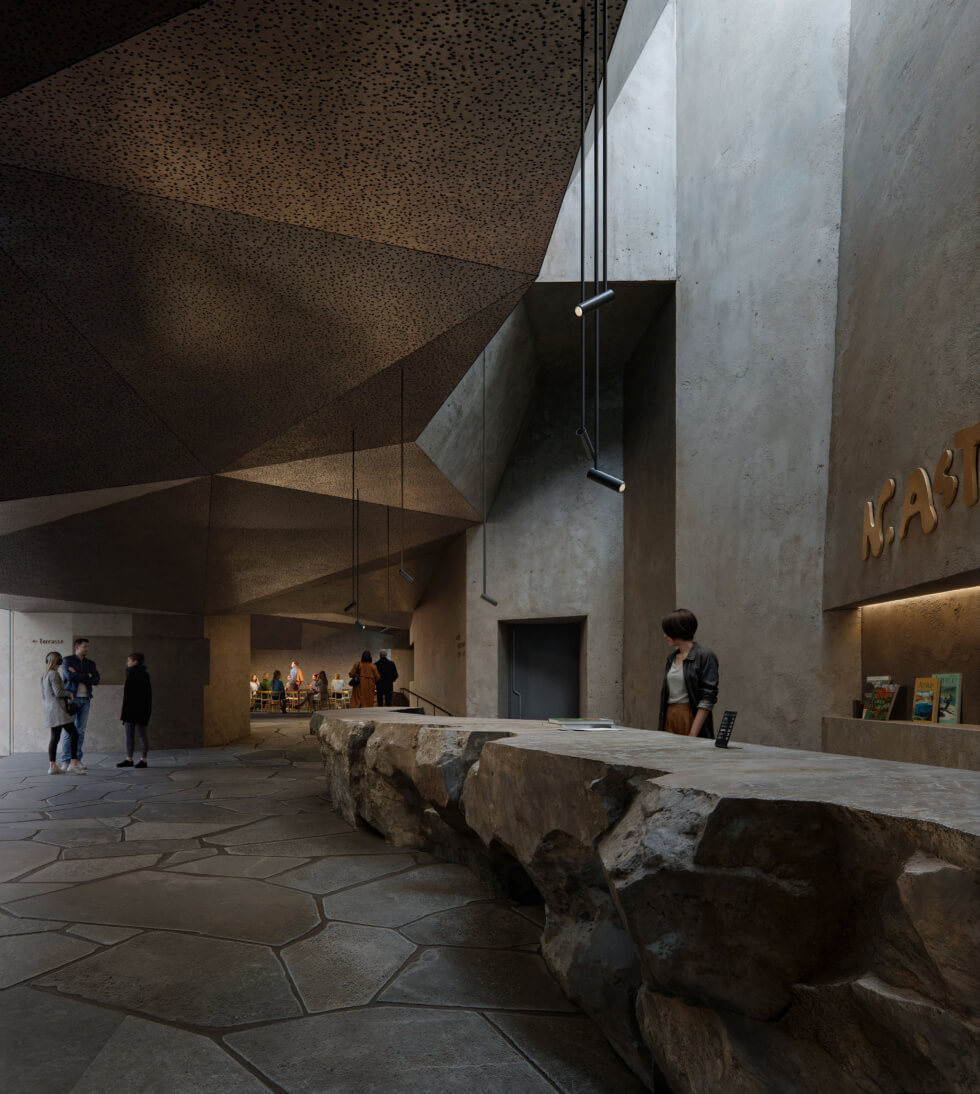
Every aspect of its construction accounts for the preservation of the priceless items on display. Some sections allow natural lighting to filter through, but artificial illumination is likewise at play here. The latter is crucial to avoid damaging the artwork. The interplay between sunlight and LEDs also enhances the atmosphere of the Astrup Garden.
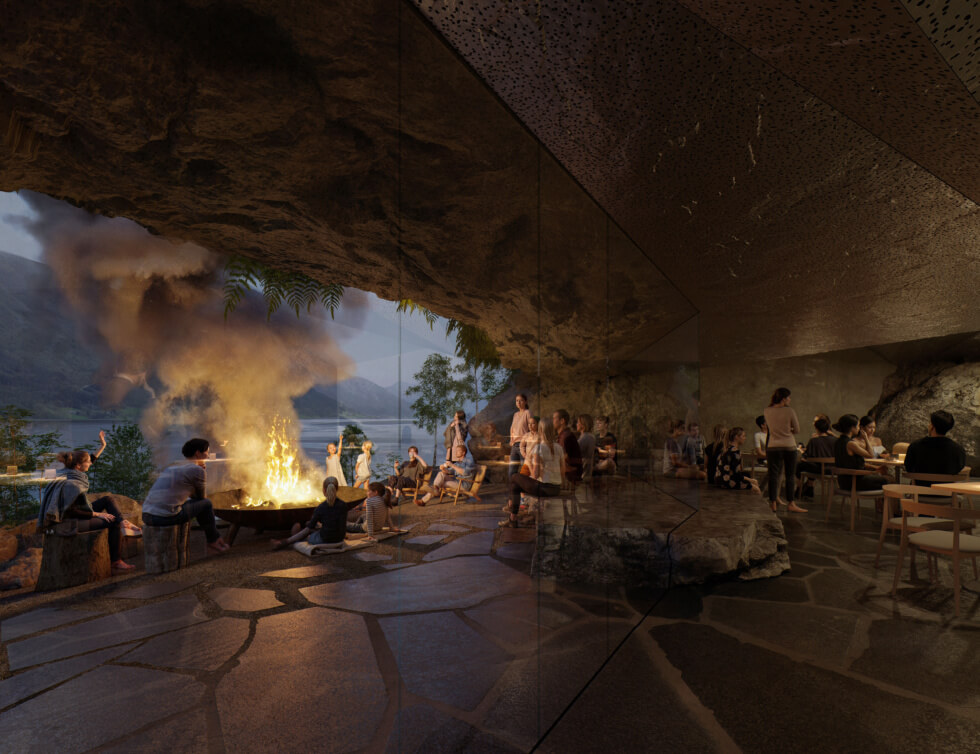
Step inside, and what greets you are concrete, clay plaster, metal, and excavated stones. These materials form the floors, walls, seats, paths, and ceilings. The ornate perforations on the latter, as well as the uneven surfaces, help keep noise down. Lastly, the Astrup Garden spans three levels and features a café where you can sit back and relax.
Learn More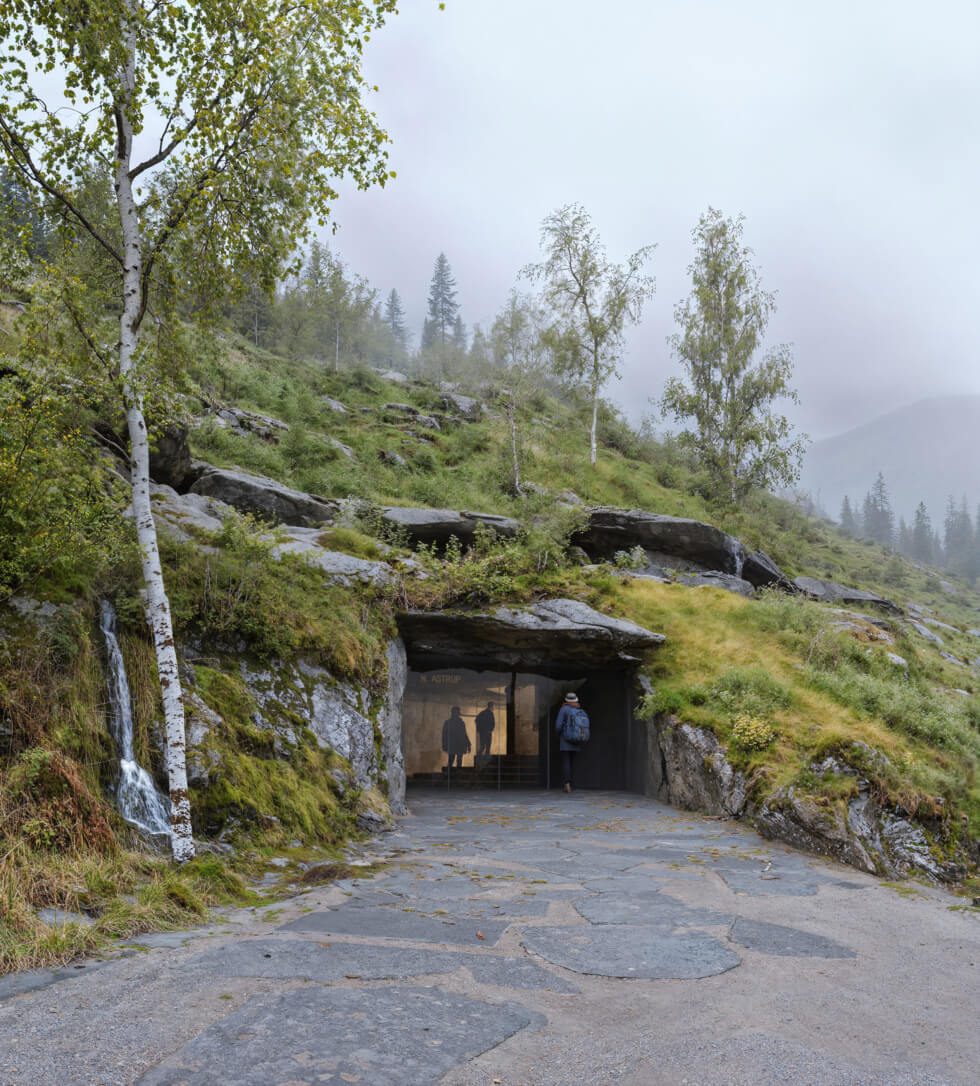
Images courtesy of PAX Architects