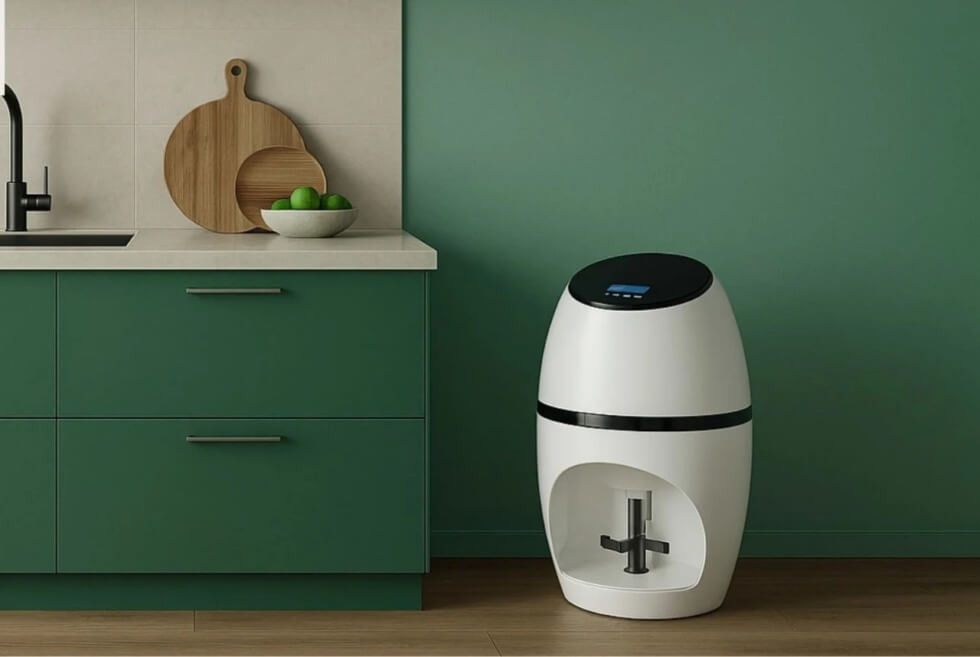
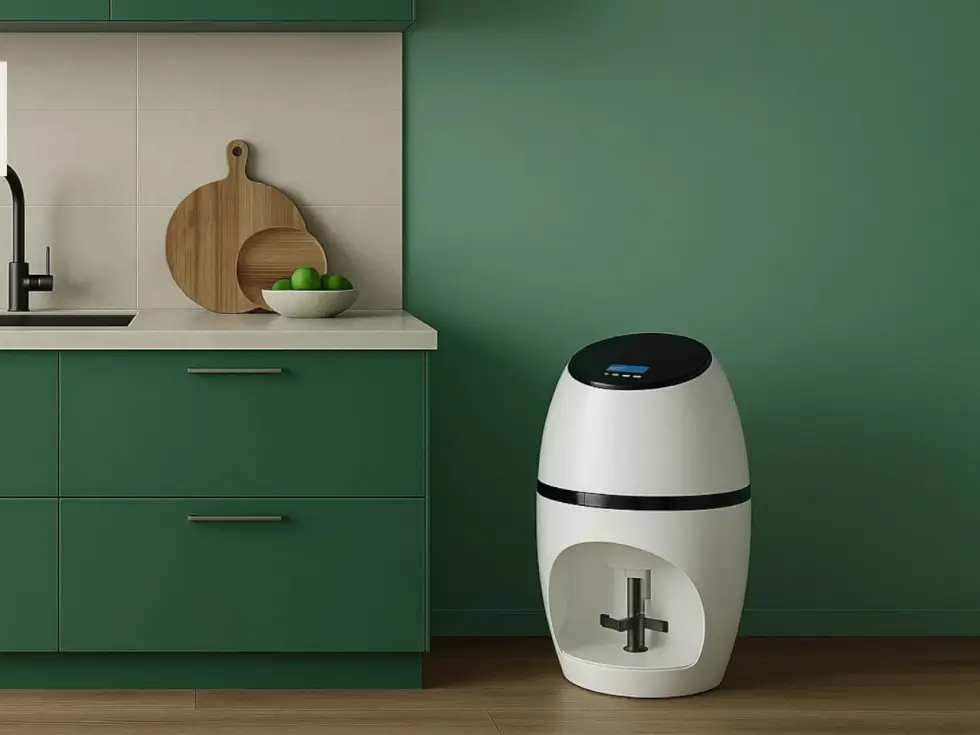
Disposing of food waste directly into the trash bin isn’t only ecologically harmful, but also unhealthy to the body. It produces methane and foul odors that are damaging to the environment and to both humans and animals. Hence, some people resort to circular methods, like composting. But it can take months using traditional composting methods to turn those scraps into fertilized soil. The Vith composting bin, on the other hand, simplifies and shortens the process in just two weeks.
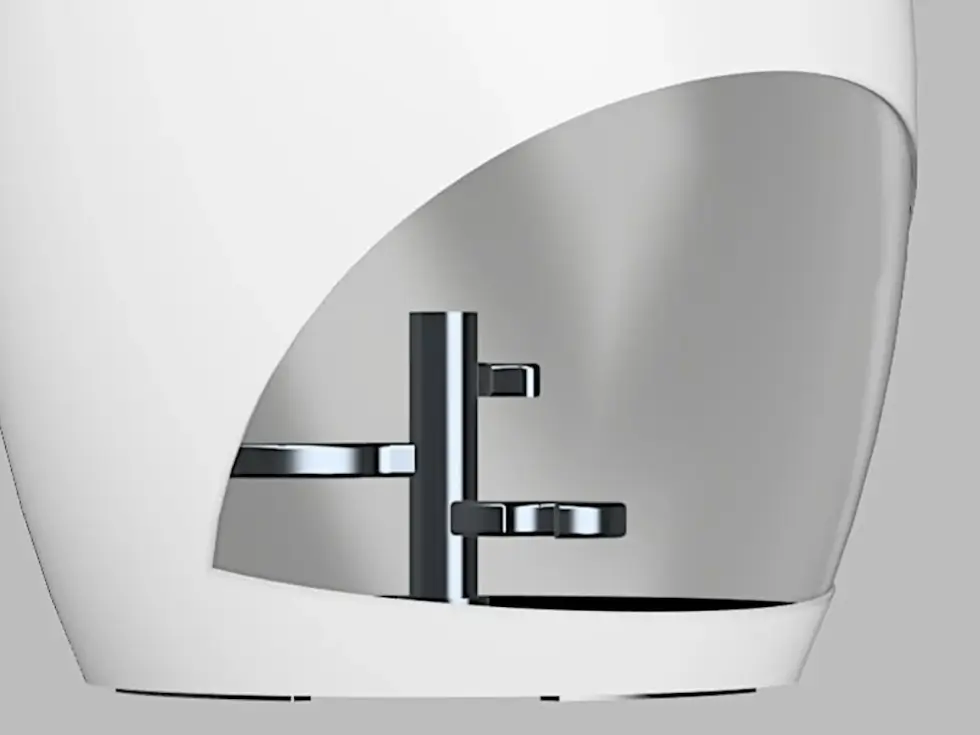
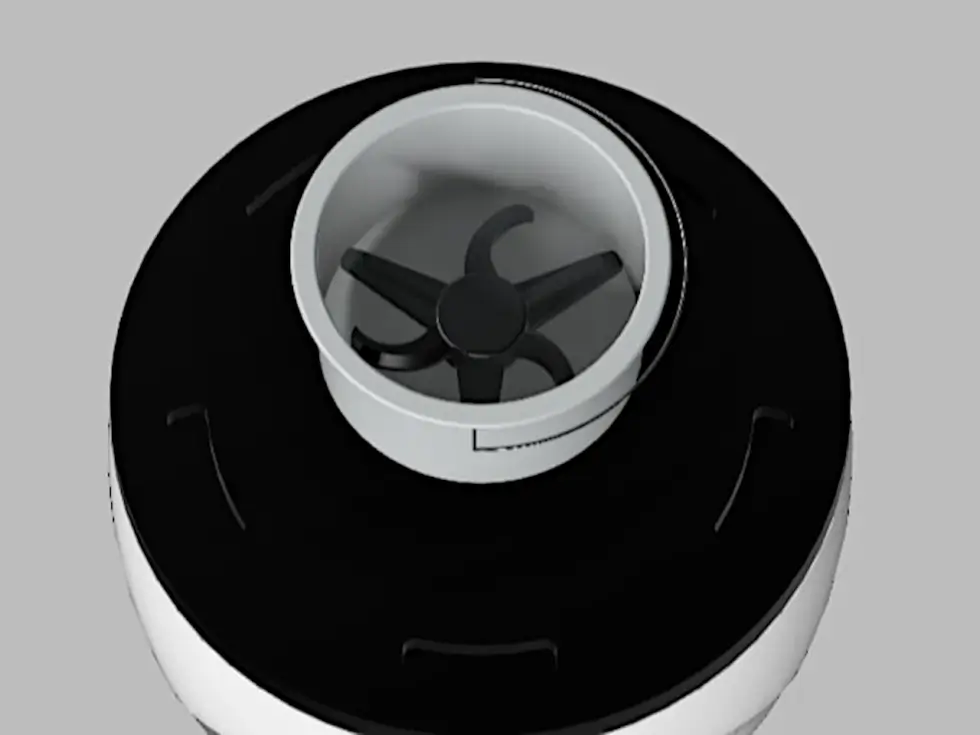
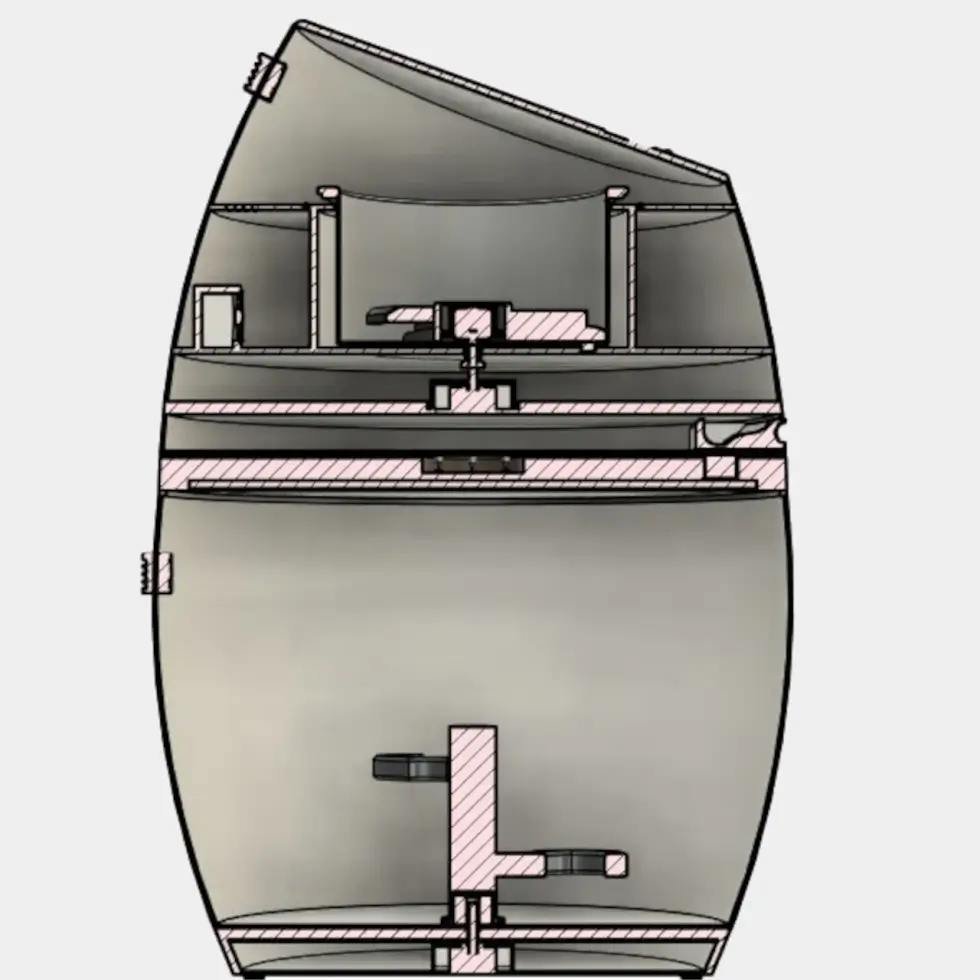
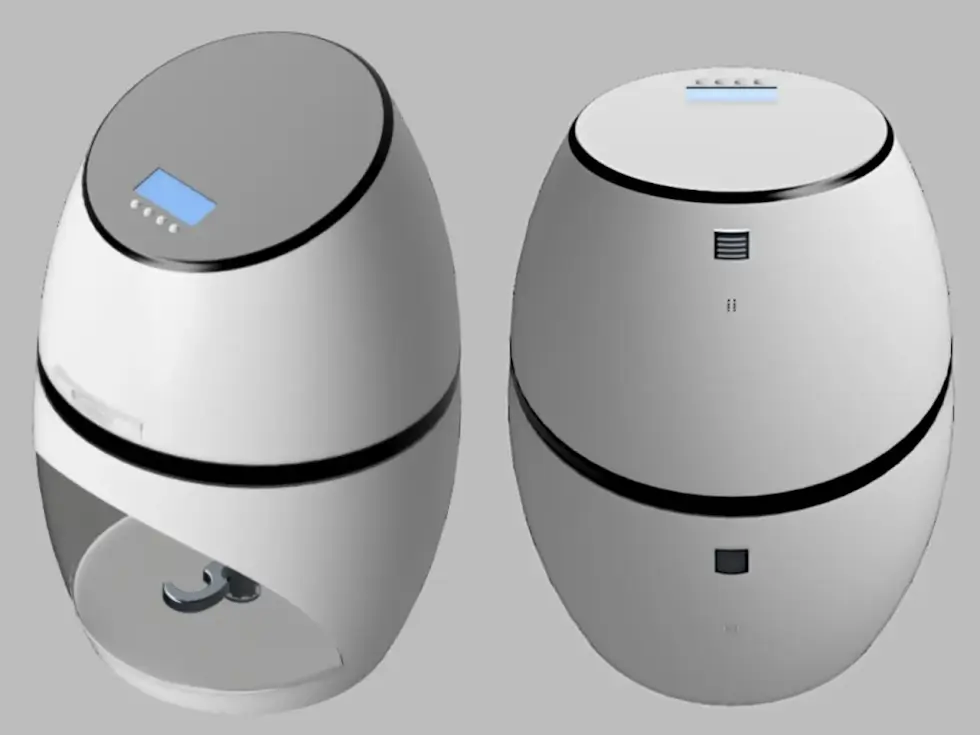
Designed by Chandra Vasudev, this two-stage electric composter concept operates quietly in the background, turning organic waste into usable compost. Its upper processing chamber, the shredding bin, cuts or shreds food waste into smaller, uniform particles. It then dehydrates these pieces to remove excess moisture and create more space for microbes to do their decomposing job efficiently.
The shredded and dehydrated scraps then drop into the lower chamber of the Vith composter. Here, the curing or mesophilic range happens. At this stage, microbial cultures and a fine, controlled spray of water work together to transform the organic waste into fertilized soil.
But instead of using a heating element like in other electric composting machines, the chamber relies on the heat naturally generated by microbial activity. It ensures the ideal working conditions by monitoring airflow, moisture, and temperature using built-in sensors.
The chamber also churns the material every two or three days to prevent the formation of anaerobic pockets and ensure oxygen distribution. Vith is a low-power composting machine as it only draws energy during active phases, including shredding and mixing. In about two weeks, the machine delivers fertilized soil that is ready to enrich plants and vegetables.
Check It Out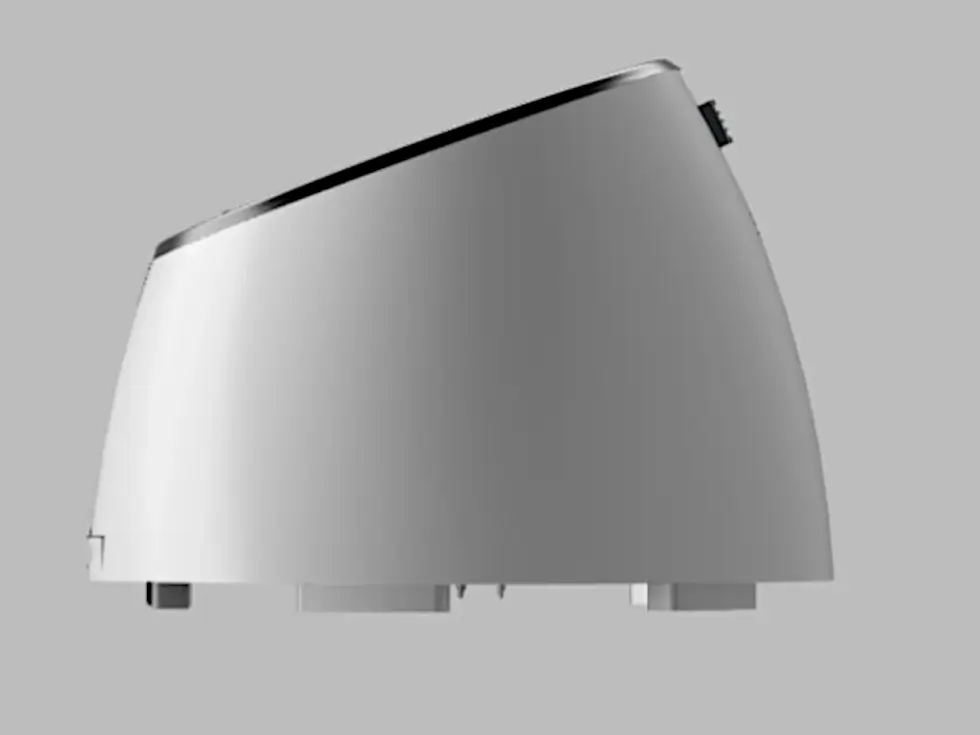
Images courtesy of Yanko Design