
Your phone is charged, your headphones are packed, and your bag has a pocket for every cable. Then a meeting runs late, or a train gets delayed, and you realize you have nothing to eat. Food is easy to overlook when you’re assembling what you carry each day.
A small packet of trail mix deserves consideration alongside those everyday essentials. A blend of nuts, seeds, and dried fruit gives you a ready-to-eat option for the gap between meals.
What Makes a Snack Worth Carrying
For a commute or afternoon away from home, a useful snack is compact and requires no utensils or preparation. Individually portioned trail mix snack packs fit that role, letting you pack food without measuring ingredients into a separate container.
Individual portions also let you open only what you intend to eat, leaving the remaining packets sealed. They are convenient when dividing a multipack between household members who leave for work or other activities at different times.
Look at the opening as well as the size. A packet that tears cleanly is easier to handle during a break, while a resealable pouch can be useful if you expect to save some for later.
What the Ingredients Bring to the Mix
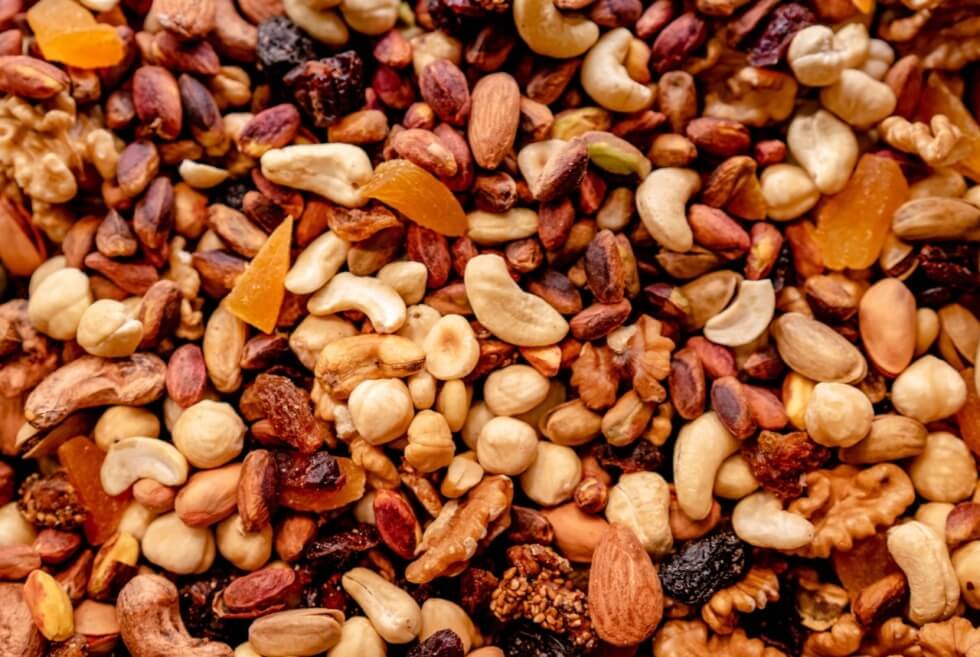
Trail mix varies considerably. Some blends emphasize nuts, others contain more dried fruit, and some add seeds or sweet extras. These proportions affect both the texture and nutritional profile, so compare the contents when choosing your regular pack.
Nuts contribute fats, some protein, and a substantial crunch. Their size also changes a blend’s texture. Whole almonds feel different from smaller cashew pieces, particularly when combined with chewy fruit. If you consistently leave one ingredient behind, another blend may suit you better.
Seeds add a finer crunch and contribute their own fats and protein. Pumpkin and sunflower seeds are common examples, although their presence and quantities vary. Check the ingredient list if you want seeds, rather than assuming every trail mix includes them.
Dried fruit contributes carbohydrates, sweetness, and chewiness. Raisins and cranberries can balance the taste of roasted nuts, while larger fruit pieces create a different bite. Some dried fruit is sweetened during processing.
Read the Packet Before Making It a Regular Choice
Start with the serving information and check whether the nutrition figures cover the whole packet. A serving size describes the amount used for the label; it does not prescribe how much you personally need to eat.
Compare similar quantities when reviewing calories, protein, fiber, and sodium. Two pouches can look alike but hold different amounts, so a glance at the front is not enough. For value, compare the price per ounce or gram as well as the price per packet. A cheaper multipack may contain smaller portions. Decide whether the convenience of separate bags is worth the cost, depending on how often you carry them.
A blend of nuts or seeds with dried fruit and no added sugar is one option to consider. Check the added sugars line separately from total sugars, since fruit contains naturally occurring sugars too.
Read allergen information whenever you try a new blend. Tree nuts and peanuts are common ingredients, and cross-contact warnings matter if you have a food allergy. If you are buying a variety multipack, inspect each blend rather than assuming they contain identical ingredients.
Match Your Snack Supply to Your Plans
On a normal workday, a packet might bridge the gap between breakfast and a late lunch. If you regularly eat at your desk, choose a blend with pieces you can handle easily and set aside time to eat without scattering seeds or crumbs over your keyboard.
For a road trip, divide your supply by the number of people traveling and the time between planned stops. Individual packets make distribution straightforward and help avoid passing an open bag around the vehicle. Eat during a stop so handling food does not compete with driving.
On a walk or short hike, consider the route, expected duration, and whether you will be out over a mealtime. Bring enough food for the outing, with extra for a delay, rather than assuming one small pouch will cover any plan. Carry water separately.
If you plan to eat trail mix before physical activity, try the blend and portion during a familiar, low-intensity outing first. A mix that suits a desk break may feel less comfortable immediately before strenuous exercise.
Give Your Packs a Proper Place in Your Bag
Loose packets tend to migrate to the bottom of a bag, where books, tools, and other contents can crush them. Designate a compartment for food, or use a small pouch to keep packets together. Leave enough room to remove one without emptying everything else.
When comparing everyday backpacks, consider whether the compartments can accommodate food alongside your other essentials. Keep packets away from sharp objects and anything that could leak onto the packaging.
Follow the storage instructions on the pack. A bag left in a hot vehicle is a poor place to maintain a permanent snack supply, and coatings or other additions may be particularly sensitive to heat. Carry what you need for the day and store the remaining multipack as directed.
Before heading out, check that the seal is intact and review the date on the packet. Rotate older packs forward when restocking so they don’t get buried beneath newer purchases.
Think about the empty packaging too. Keep a small space for wrappers until you can dispose of them properly. If a pouch cannot be resealed, put any remaining mix in a suitable closed food container instead of leaving it loose among your belongings.
Make Restocking Part of Your Routine
The most useful snack is one you remember to bring. Check your supply when you charge your devices or repack your work bag, and replace the packets you have eaten.
Keep a few suitable packets beside the items you routinely take from home. Adding them to your packing routine helps turn a pantry purchase into food you have when you need it.


