Fitbit Edge’s most interesting upgrade might be the part you never see. The unannounced tracker reportedly has a battery its owner can replace, a more useful prospect than another reason to check notifications on your wrist.
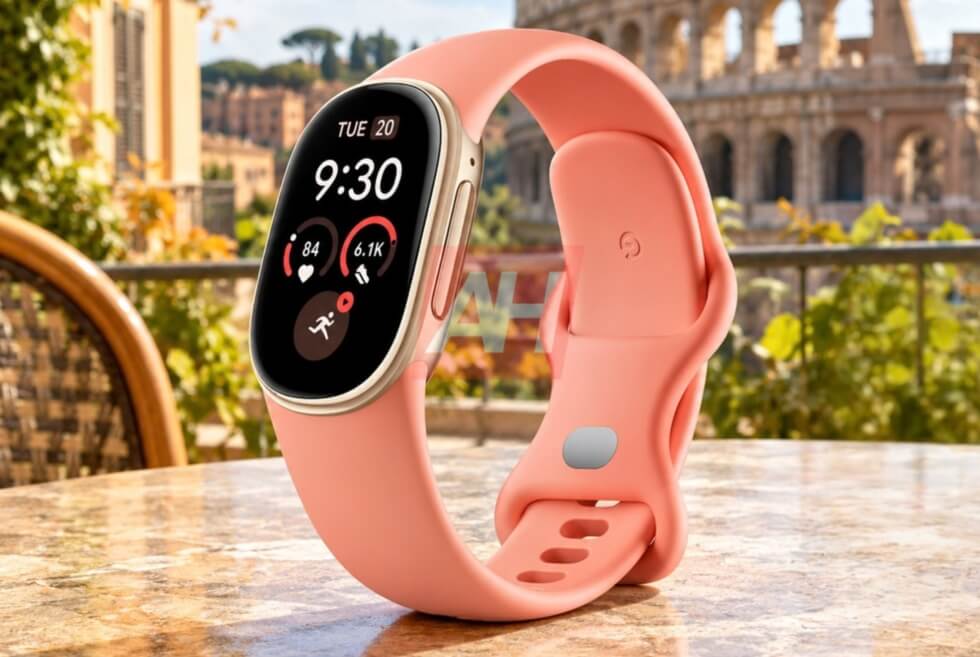
A fresh round of images attributed to Evan Blass appeared on October 8. TechAdvisor’s October 9 report highlights a pale colour option missing from the earlier renders. Those images follow retail material published by Android Headlines and a specification leak from Dealabs.
Google has not officially announced Fitbit Edge as of October 9. The pictures and specifications remain leaks, not a finished product we have tested. But there is enough here to ask a better question than whether it looks nicer than the Charge 6: what would actually make it worth replacing one?
The battery is the detail to watch
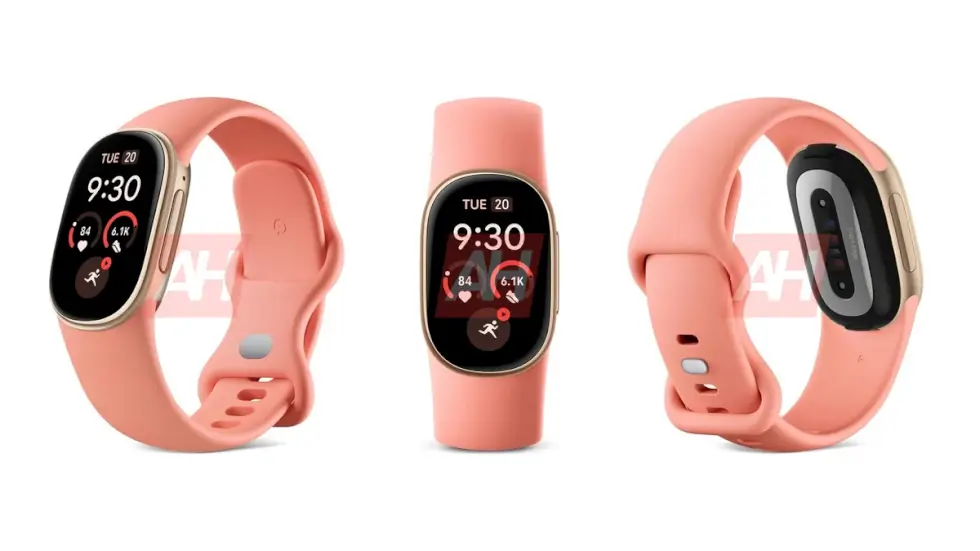
Dealabs reports that Edge will use a user-replaceable battery. That could make the difference between keeping a tracker when its battery wears out and replacing the whole device.
The important details are still missing. We do not know how the enclosure opens, what a replacement battery would cost, whether Google would sell it directly or what is involved in restoring the water seal. A claim on a leaked specification sheet is not yet evidence of an easy repair.
Still, this is the feature Google should explain properly at launch. A replacement procedure, available parts and clear instructions would tell prospective owners more about the device’s useful life than another promotional image.
Battery life between charges is a separate question. The leaked figures, reported by The Verge, are up to seven days in ordinary use or up to two days with the always-on display enabled. The same report lists a 1.34-inch OLED touchscreen and built-in GPS.
Those are claims, not measured results. In particular, seven days should not be read as seven days with the display permanently illuminated or seven days of continuous GPS tracking. The always-on figure is the more relevant starting point for someone who expects to glance down and see the time without waking the screen.
A screen without a full-size smartwatch
The leaked retail images show a narrow tracker with a rounded display, rather than a conventional round watch case. Its face brings together the time, date, heart rate, steps and a workout shortcut. The accompanying material lists compatibility with both Android and iPhone.
Google already sells the screenless Fitbit Air. Edge’s apparent proposition is different: keep the band-like shape, but let people check useful information without immediately reaching for a phone.
That offers a different approach from watch-shaped fitness wearables such as the Huawei Watch Fit 5 Pro. For someone who wears a traditional watch, a narrow tracker might also be easier to accommodate than a second watch-sized device. Comfort, display legibility and whether that actually works on the wrist will need a hands-on assessment.
Charge 6 owners should look past the app logos
Maps, music controls and GPS sound good in a leak. They are less persuasive as an upgrade argument when the existing tracker already offers them.
Google’s original Charge 6 announcement included built-in GPS, Google Maps directions, YouTube Music controls and Google Wallet. It also advertised up to seven days of battery life. None of those broad ideas is new to Fitbit.
The distinction between controls and independent apps matters, too. As shown in 9to5Google’s report on the leaked retail material, Edge’s comparison chart lists Maps, media controls and Find My Phone. Its footnote says the relevant features are available when a phone is nearby. The chart reserves a full Google Play Store app suite for Pixel Watch.
That does not establish everything Edge can or cannot do. It does mean the app names should not be treated as proof of offline music, standalone maps or a complete Wear OS experience.
For a Charge 6 owner, the questions worth answering are more practical: is the screen easier to use, is tracking better, and does the battery design make ownership less disposable? A new name alone answers none of them.
The health features need their own small print
Google’s software ambitions now extend well beyond steps and sleep scores. That does not make every new Fitbit a medical measuring device.
In its September 24 Health Guardian update, Google announced blood-pressure trends, insulin-resistance trends and sleep-breathing insights for specified Pixel Watch models. It also said two of those trend features would reach Fitbit Air with Premium later in the year. The announcement does not confirm Edge support.
Google describes these as wellness information, not real-time clinical readings or tools for diagnosing conditions. An insulin-resistance trend is not a blood-glucose reading. Prospective buyers should wait for an Edge-specific feature list rather than assume a new band can replace medical monitoring equipment.
The AI coach is also an existing service, not a capability that first appears with Edge. Google Health Coach is part of Google Health Premium, currently advertised in the US at $9.99 a month or $99 a year.
Google says basic metric tracking remains free. What Edge might include, which extras require payment and whether there is a bundled trial have not been announced. The subscription question belongs beside the hardware price, not buried after it.
What will Fitbit Edge cost?
Dealabs’ reported prices are £159 in the UK and €179 in Europe. Google has not confirmed those figures, and there is no confirmed US price. Dollar amounts obtained by converting the European price are not a US launch announcement.
An October introduction has been reported, but an official release date is still missing.
On the evidence available, Edge could suit someone who wants the familiar Fitbit-band format with a more useful display. The stronger argument, though, is the possibility of keeping it longer. If Google confirms a genuinely accessible replacement battery, that would give Edge a reason to exist beyond a new shape and another collection of health metrics.