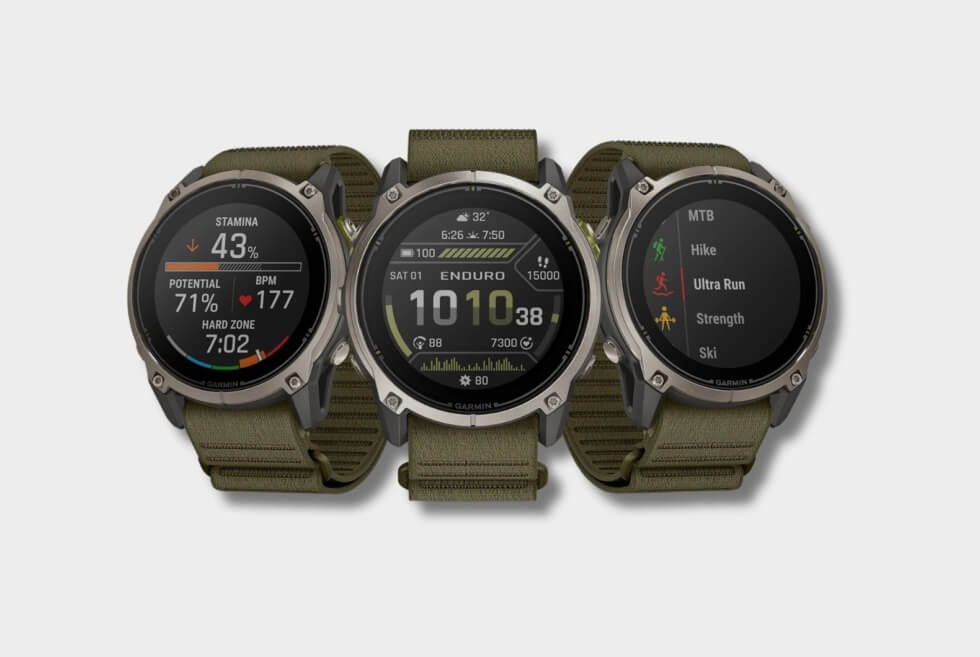
Garmin’s Enduro 4 still promises up to 90 days of battery life, but that number is not the real upgrade.
The Enduro 3 already reached the same solar-assisted ceiling. What has changed is the hardware underneath it: Garmin says the new watch has 50 percent more RAM, a faster mapping engine, twice the storage and a set of training tools built for long races, steep routes and multiday efforts.
In other words, Enduro 4 is less about making an already extreme battery claim even bigger and more about making the watch feel faster and more useful while that battery lasts.
The 90-Day Figure Still Depends On Sunlight
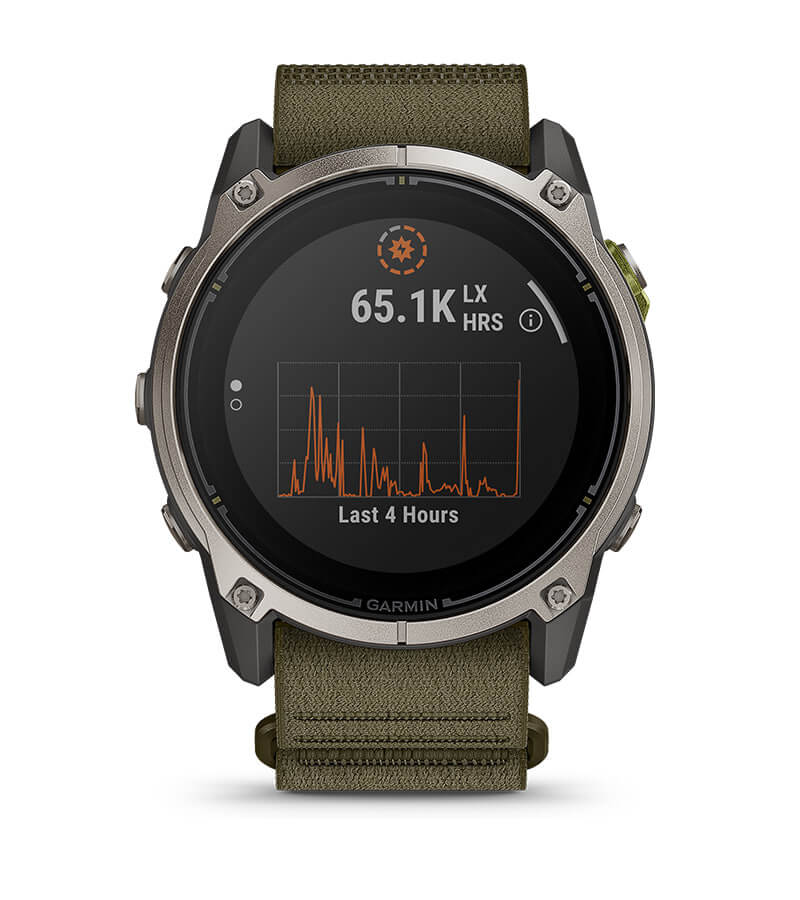
Garmin quotes up to 36 days in ordinary smartwatch mode and up to 90 days with solar charging. That solar figure assumes the watch is worn all day and spends three hours per day outside in conditions measuring 50,000 lux.
The activity numbers need the same context. In GPS-only mode, Garmin lists up to 120 hours without solar and up to 320 hours with enough light. The 320-hour claim assumes continuous use in 50,000-lux conditions with the extended-battery activity setting enabled.
That is impressive, but it is not a promise that every owner will record nearly two weeks of GPS inside a forest, under heavy cloud or beneath a jacket sleeve.
Garmin continues to use a sunlight-visible 1.4-inch memory-in-pixel display rather than switching to a brighter AMOLED panel. The lower-power screen and Power Sapphire solar lens are central to the Enduro line’s identity.
The recently leaked Fitbit Edge takes a different approach to longevity with a reportedly replaceable battery. Garmin’s answer is to stretch the interval between charges as far as possible.
The Maps Should Feel Noticeably Faster
The most practical upgrade may be the part that never appears on the battery chart.
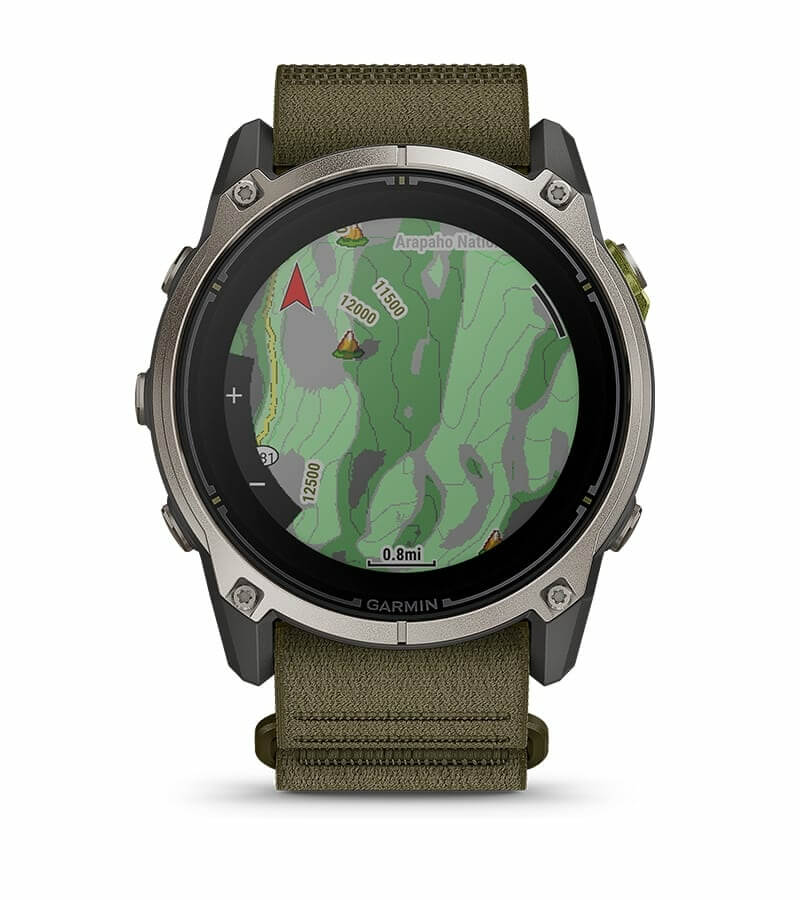
Garmin says Enduro 4 has 50 percent more RAM than Enduro 3 and a more powerful map engine that pans 30 percent faster. A new perspective view shows more detail both nearby and farther along the route, making it easier to anticipate what comes next.
The watch includes built-in routable maps, multiband GPS, SatIQ positioning, dynamic round-trip routing, NextFork guidance and multicontinent TopoActive maps. Storage rises to 64 GB according to Garmin’s launch announcement, leaving more room for maps, music and activity data.
That matters on a watch designed for long events. Waiting for a map to catch up becomes more irritating when navigation is one of the reasons the watch is on your wrist for several days.
Its New Training Tools Focus On Hills And Long Events
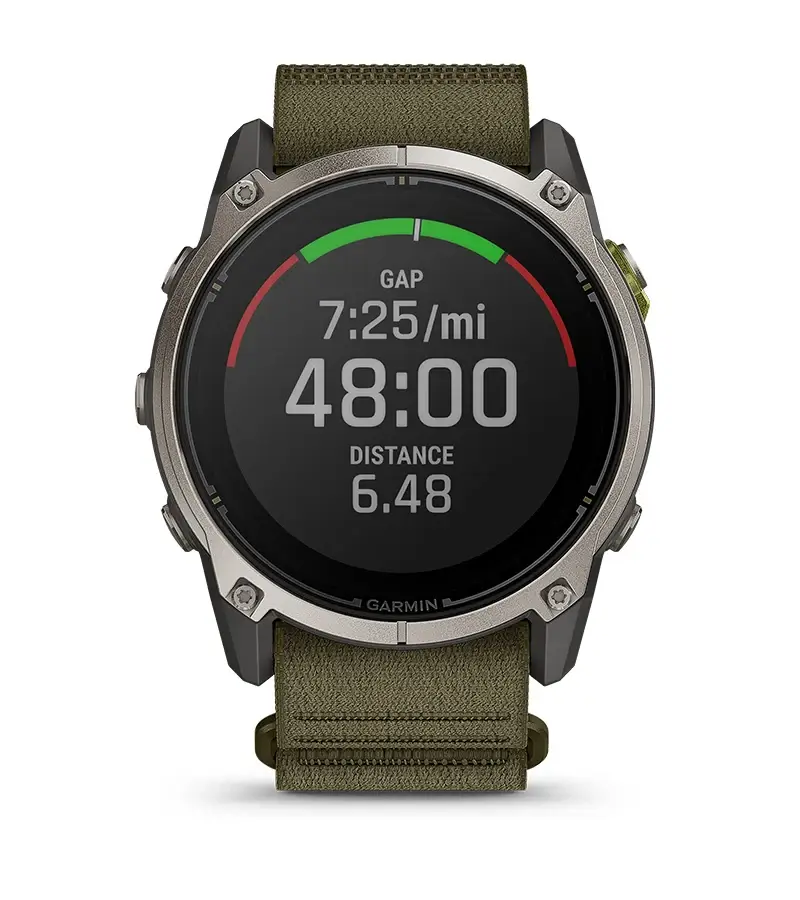
Grade-adjusted pace-based workouts change the target pace to account for climbs and descents. Grade-adjusted rolling pace provides a continually updated view of effort across changing terrain, rather than treating every kilometre as though it were flat.
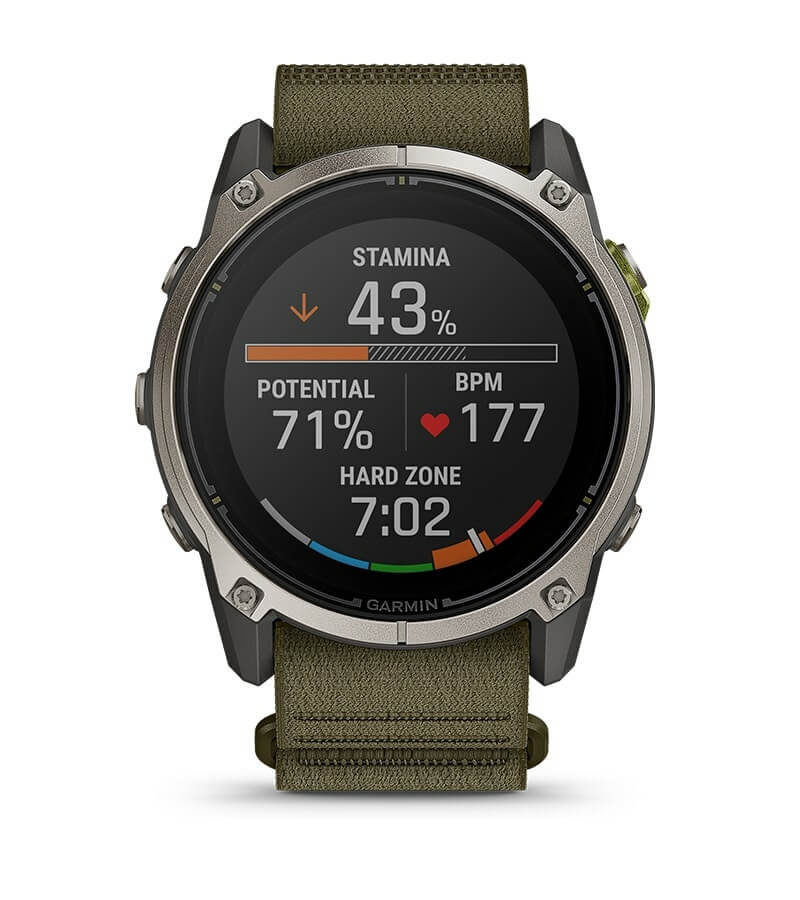
New stamina zones show how hard an athlete is working relative to the endurance still available, while the stamina curve tracks how that capacity changes with fitness and training history.
Rucking support now lets users change pack weight during an activity and set targets such as calories burned. Indoor rowers gain VO2 max and power-curve data when used with compatible equipment.
Garmin Epic is another new addition. It groups activities completed over days, weeks or months into one story inside Garmin Connect, combining routes, photographs, health data and performance trends rather than leaving each session isolated.
The Case Is Still Large, Light And Built For Abuse
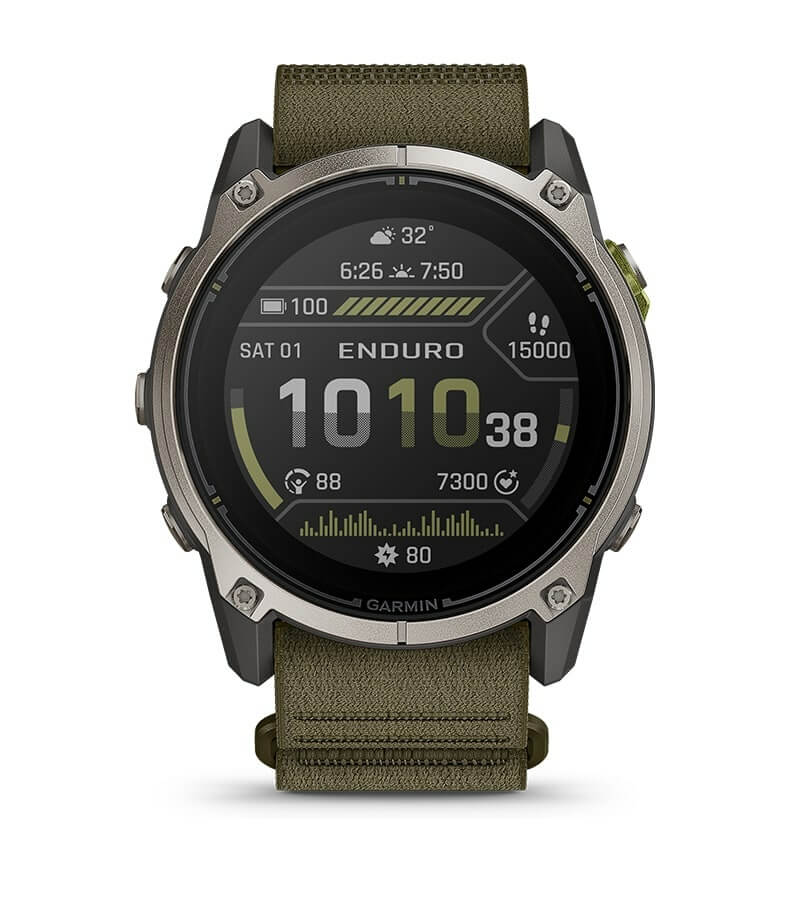
Enduro 4 uses a 51 mm fibre-reinforced polymer case with a titanium bezel and Power Sapphire lens. Garmin lists the watch at 66 grams with its new ComfortFit fabric band.
The band uses Garmin’s QuickFit system, so it can be removed without tools. The watch also includes an LED flashlight with white and red modes, 10 ATM water resistance and more than 100 activity profiles.
There is only one case size and one display type. Anyone wanting a smaller watch, an AMOLED screen or a built-in microphone will need to look elsewhere in Garmin’s range.
Enduro 4 is available now for $899.99 in the United States. That is the same launch price as Enduro 3, which makes the faster maps, extra memory and new training tools the important part of the upgrade rather than another record-setting battery headline.
Learn More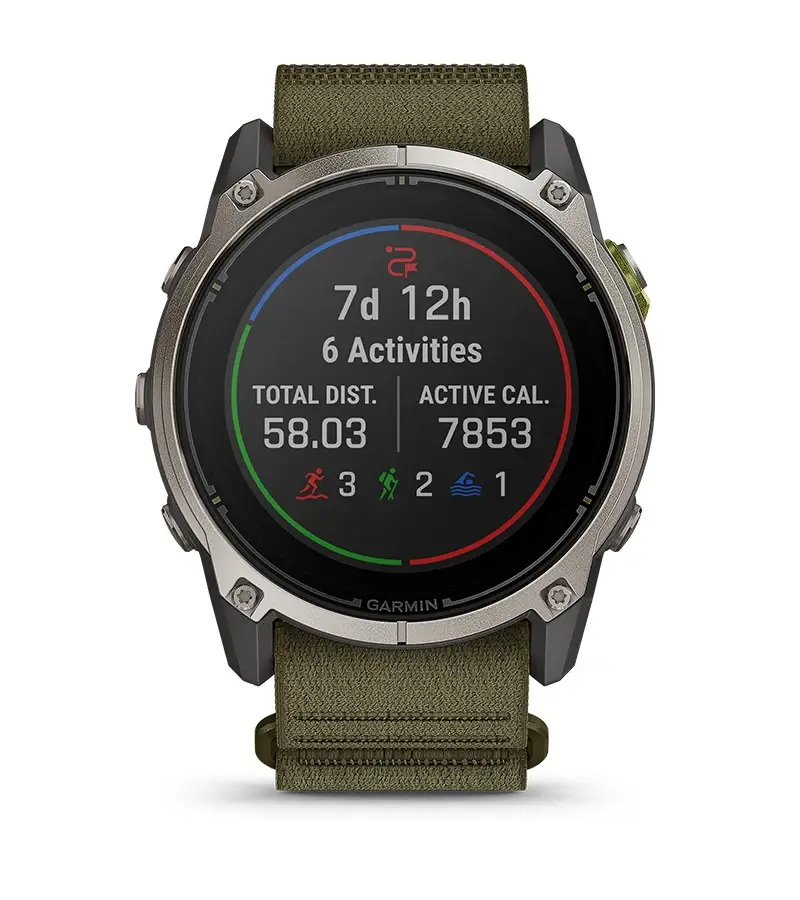
Images courtesy of Garmin