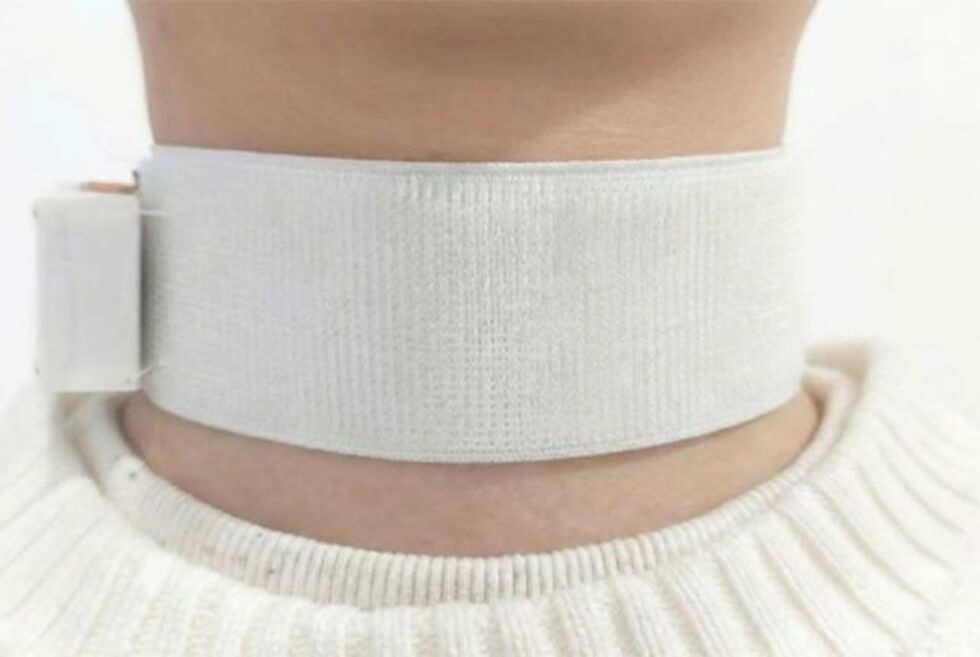
Stroke can weaken fascial muscles and vocal cords, rendering patients unable to speak clearly, have slurred or slow speech, or speak in short, disjointed bursts rather than full sentences. This condition, called dysarthria, normally takes a slow and frustrating recovery process, hence affecting patients’ quality of life. Scientists at the University of Cambridge developed Revoice to help give stroke patients their voice back.
“When people have dysarthria following a stroke, it can be extremely frustrating for them, because they know exactly what they want to say, but physically struggle to say it, because the signals between their brain and their throat have been scrambled by the stroke,” said Professor Luigi Occhipinti from Cambridge’s Department of Engineering.
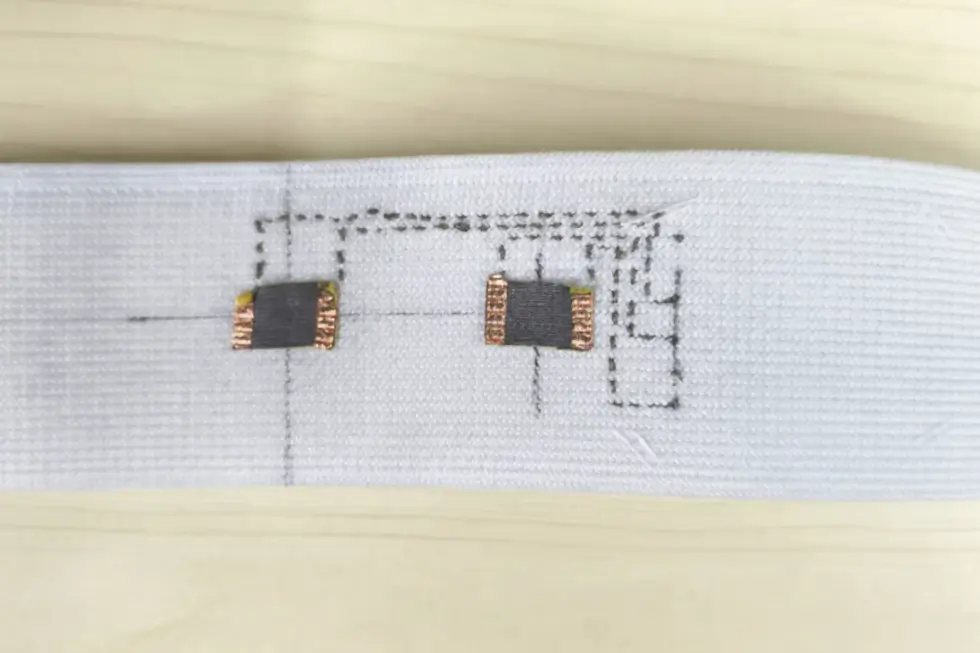
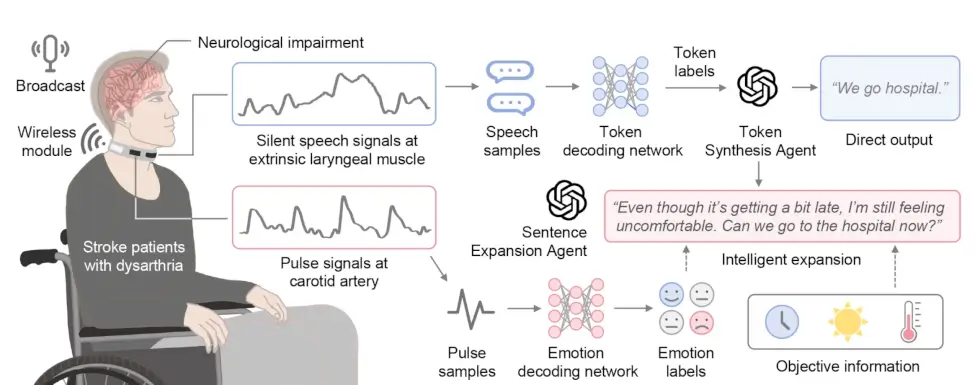
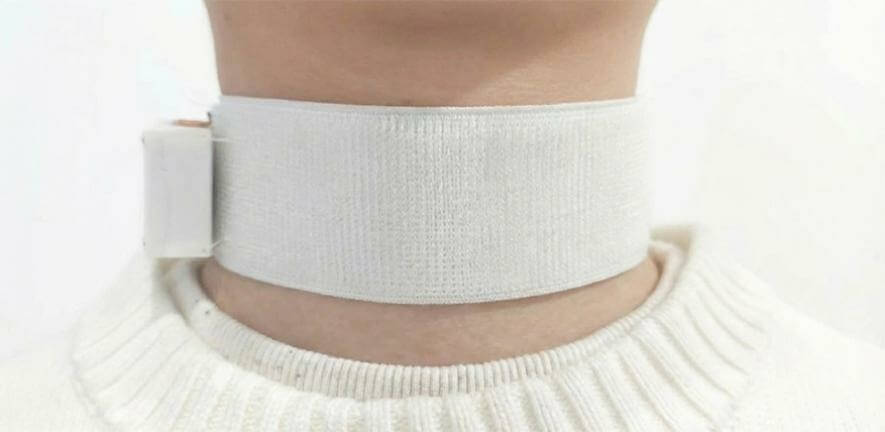
Occhipinti and his colleagues developed the non-invasive Revoice device to help stroke patients communicate naturally. It’s a soft and flexible choker powered by a 1,800-mWh battery that uses a combination of artificial intelligence and sensors to capture subtle vibrations from the throat to detect speech signals.
Revoice decodes emotional states from pulse signals and uses an embedded lightweight large language model (LLM) to predict full sentences. It captures the patient’s heart rate and tiny vibrations from throat muscles.
The device then uses those signals to reconstruct intended words and sentences in real time. There are two AI agents involved. One reconstructs words from fragments of silently mouthed speech.
Meanwhile, the other interprets emotional state and contextual information. The result is seamless, real-time communication using just a few mouthed words transformed into full, fluent sentences.
A trial on five stroke patients achieved 4.2% and a sentence error rate of just 2.9%. Revoice resulted to a 55% increase in satisfaction, giving the device the potential of also helping patients of Parkinsons disease and motor neuron disease.
Learn More Here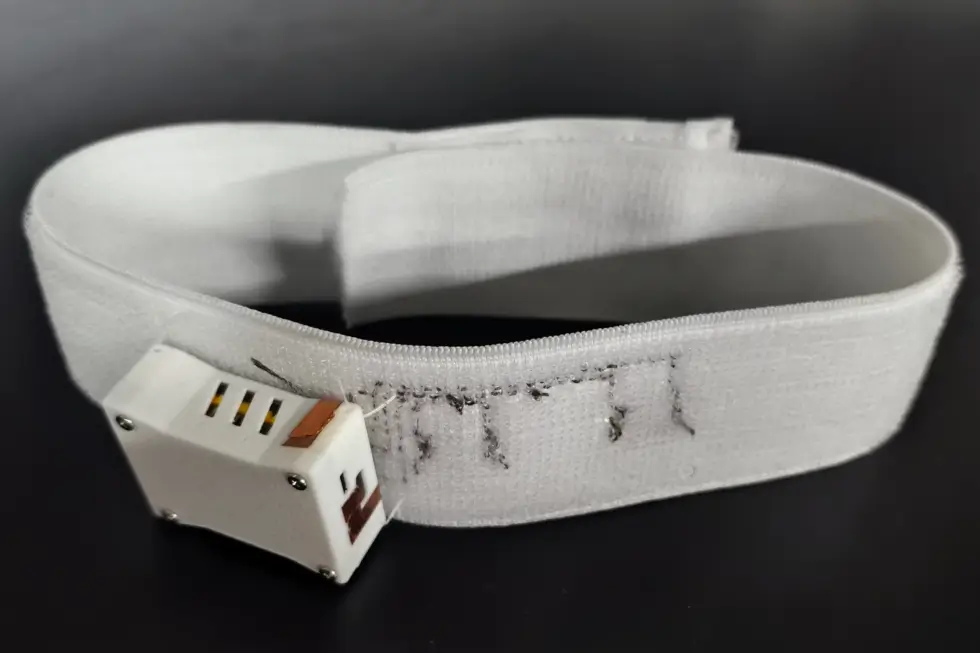
Images courtesy of University of Cambridge