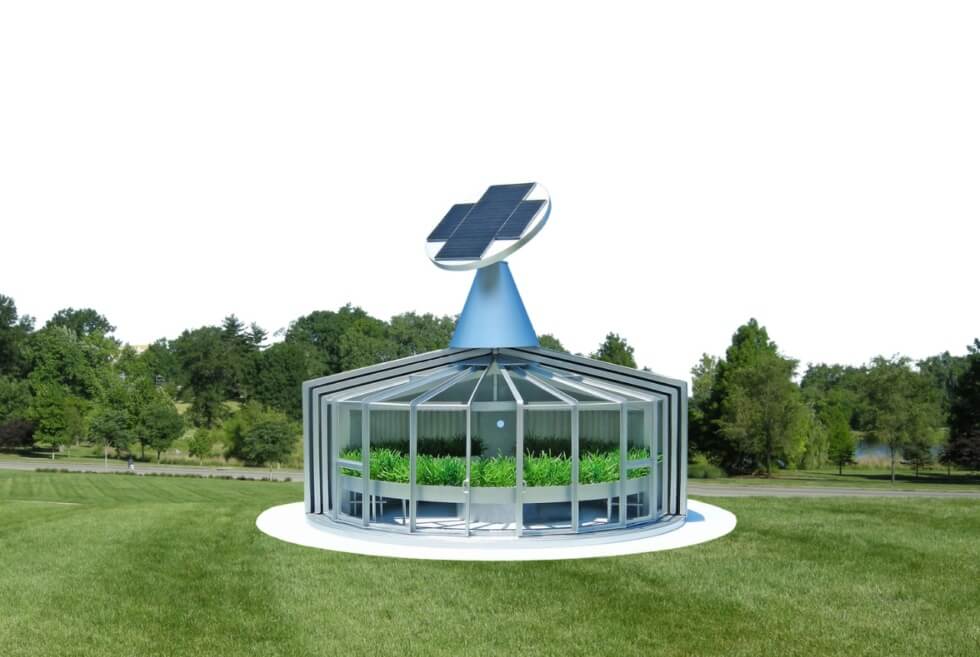
Michael Jantzen uses solar power to grow fish and plants together in his conceptual design for the Eco-Aquaponic House. He designed the house to show the potential of a symbiotic relationship between the two organisms.
Specifically, his design highlights Aquaponic Gardening, a process that shows how both can benefit from each other. Fish waste becomes plant fertilizers, while the plants filter the water to keep it clean.
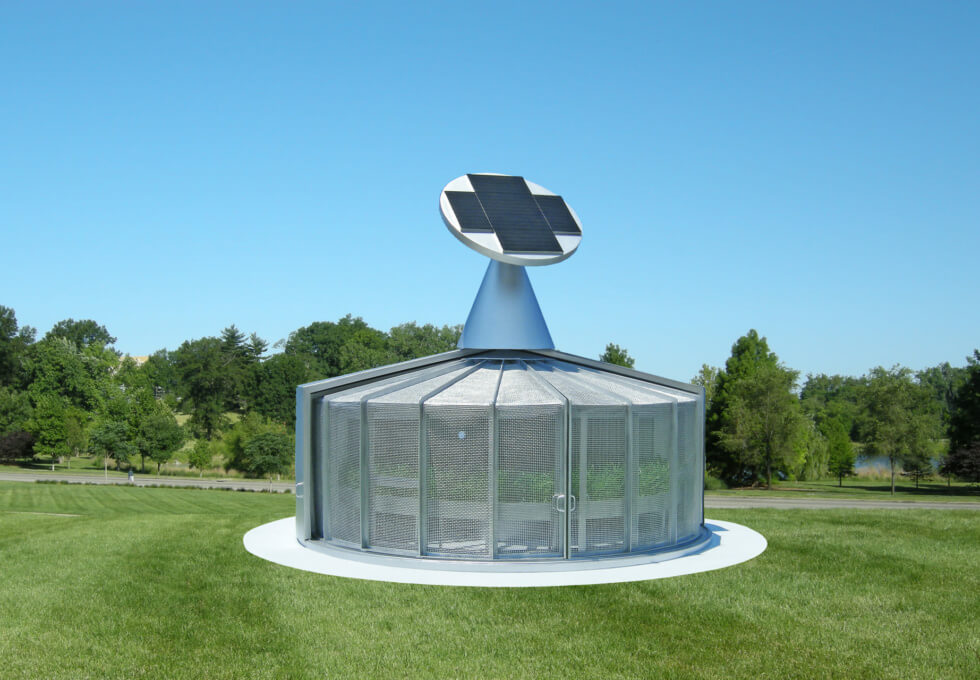
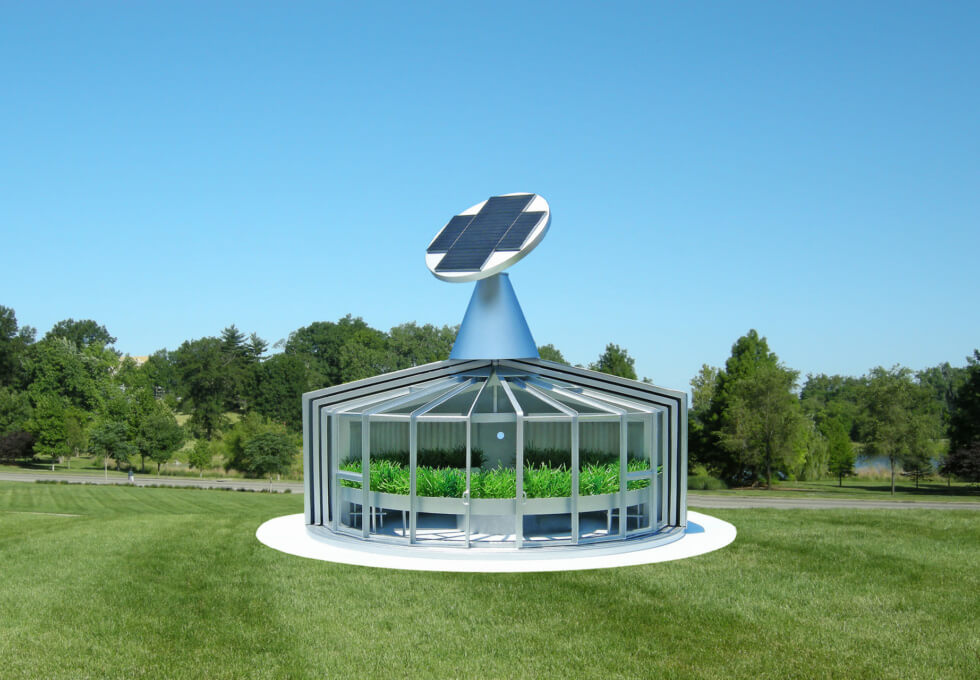
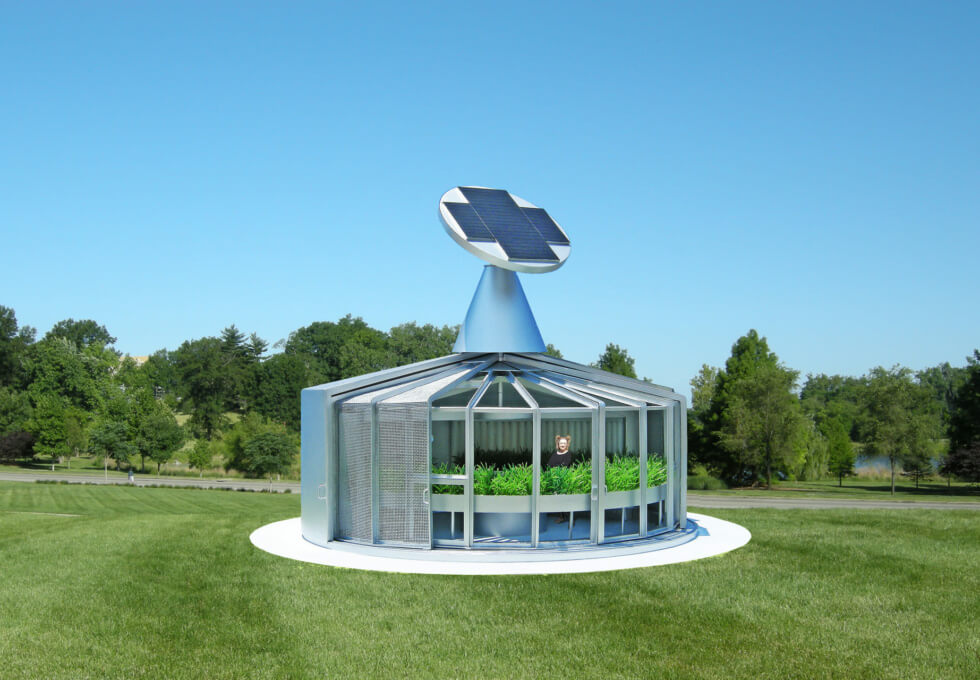
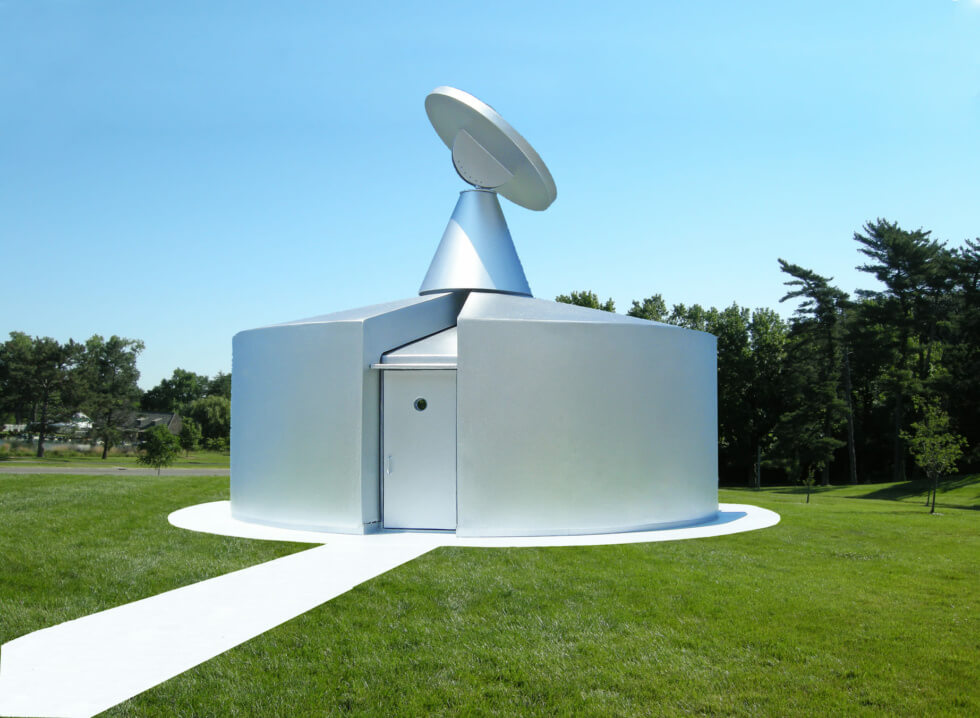
“My Eco-Aquaponic House is basically a machine designed to facilitate this process in a very energy efficient and eco-friendly way” Jantzen shares. The cylindrical steel structure that serve as the framework features six insulated sections. These sections rotate around a center pivot point, located above another stationary support structure.
There are two insulated sections that provide heat at night during cold weather, and two shade screens that protect the plants and fishes from over-heating during hot weather. Meanwhile, the remaining two glass sections expose the plants and fish to the weather whenever it is appropriate. These glass sections have four small windows that open for ventilation.
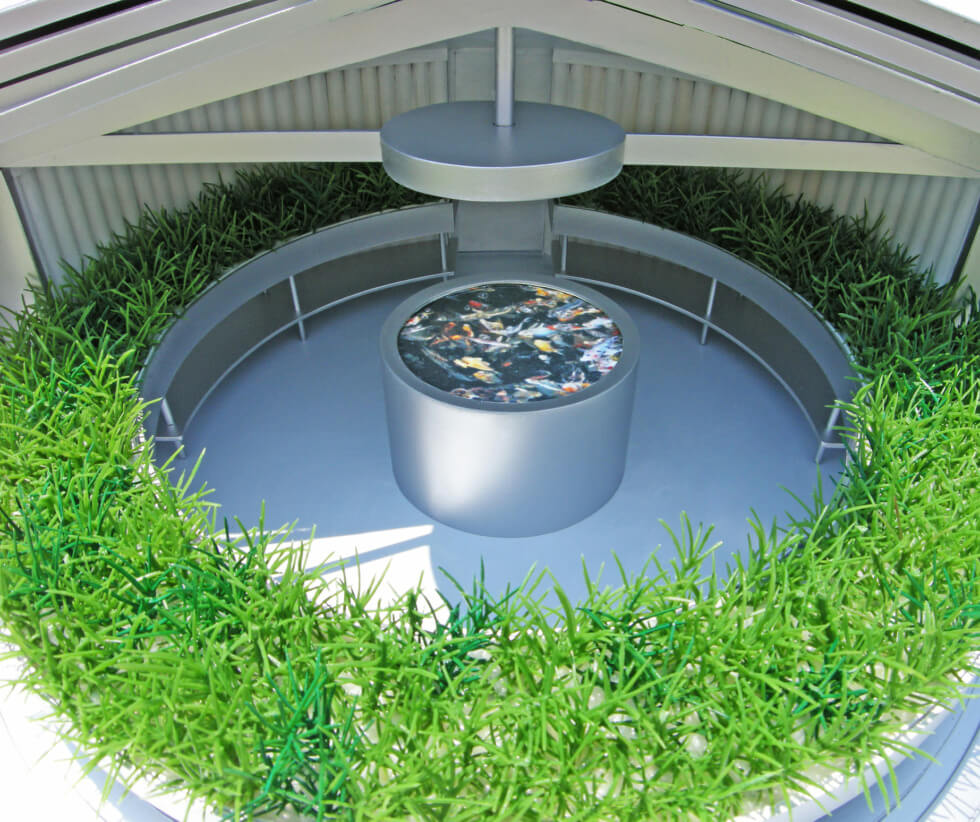
Jantzen placed the fish in a large tank in the center and the plants in trays set around the perimeter of the Eco-Aquaponic House. Additionally, the structure features a series of large heat-absorbing tubes that moderate temperature during the day and prevent overheating. These tubes absorb heat from the sun during the day, and release it at night to help keep the plants and fish warm during the winter.
Meanwhile, a large array of solar cells is mounted onto a sun-tracking platform positioned on the roof. It powers a large light hanging over the fish tank and supplies most of the Eco-Aquaponic House’s electrical needs.
Learn More Here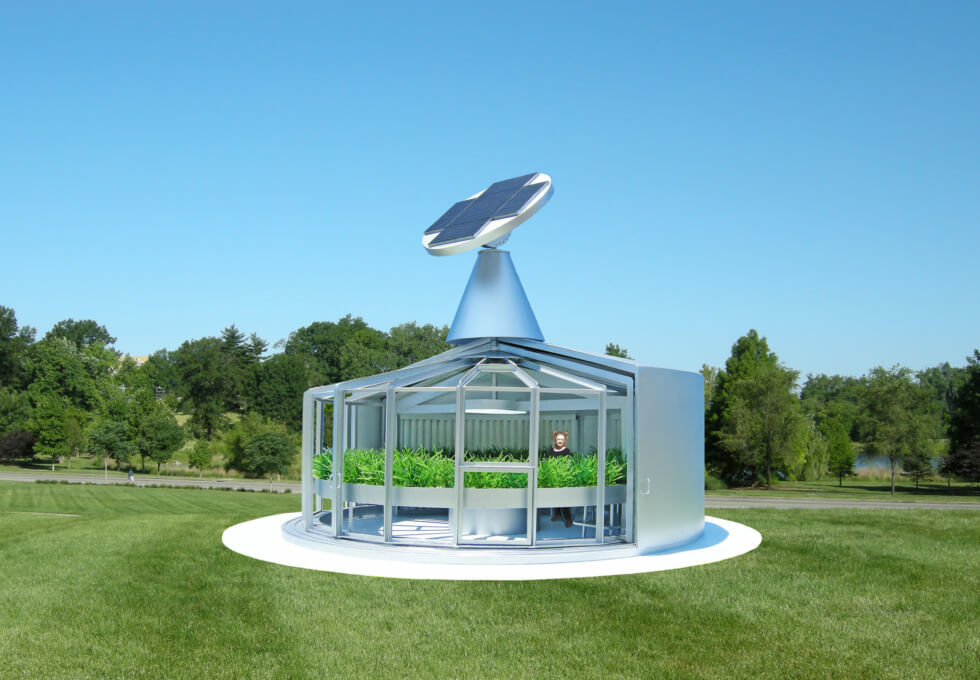
Images courtesy of Michael Jantzen/Archinect