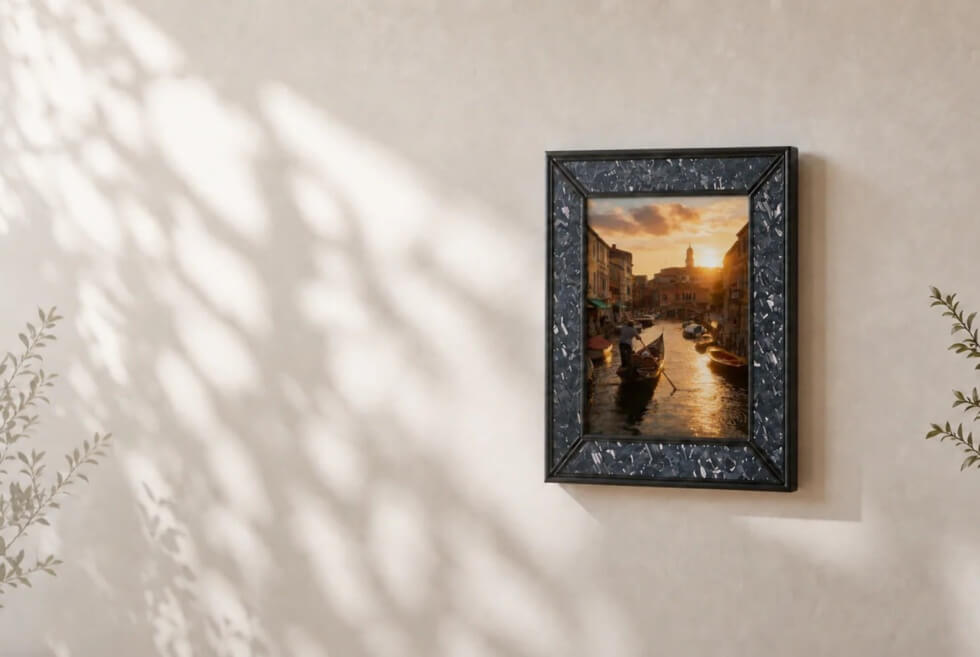
Most digital picture frames still behave like screens. They glow, need a nearby outlet and look noticeably electronic once the room gets dark. Inkanva takes a different route by pairing full-color E-Ink with a light-harvesting panel that can top up the battery from ordinary indoor light.
The result is meant to sit on a wall more like a framed print than a television. It does not need a permanent power cable, and the displayed image remains visible without continuously drawing energy. The live Inkanva Kickstarter campaign has already passed its funding goal and offers three sizes, from a desktop frame to a 28.5-inch gallery display.
View Inkanva On KickstarterThe Self-Charging Claim Comes With Conditions
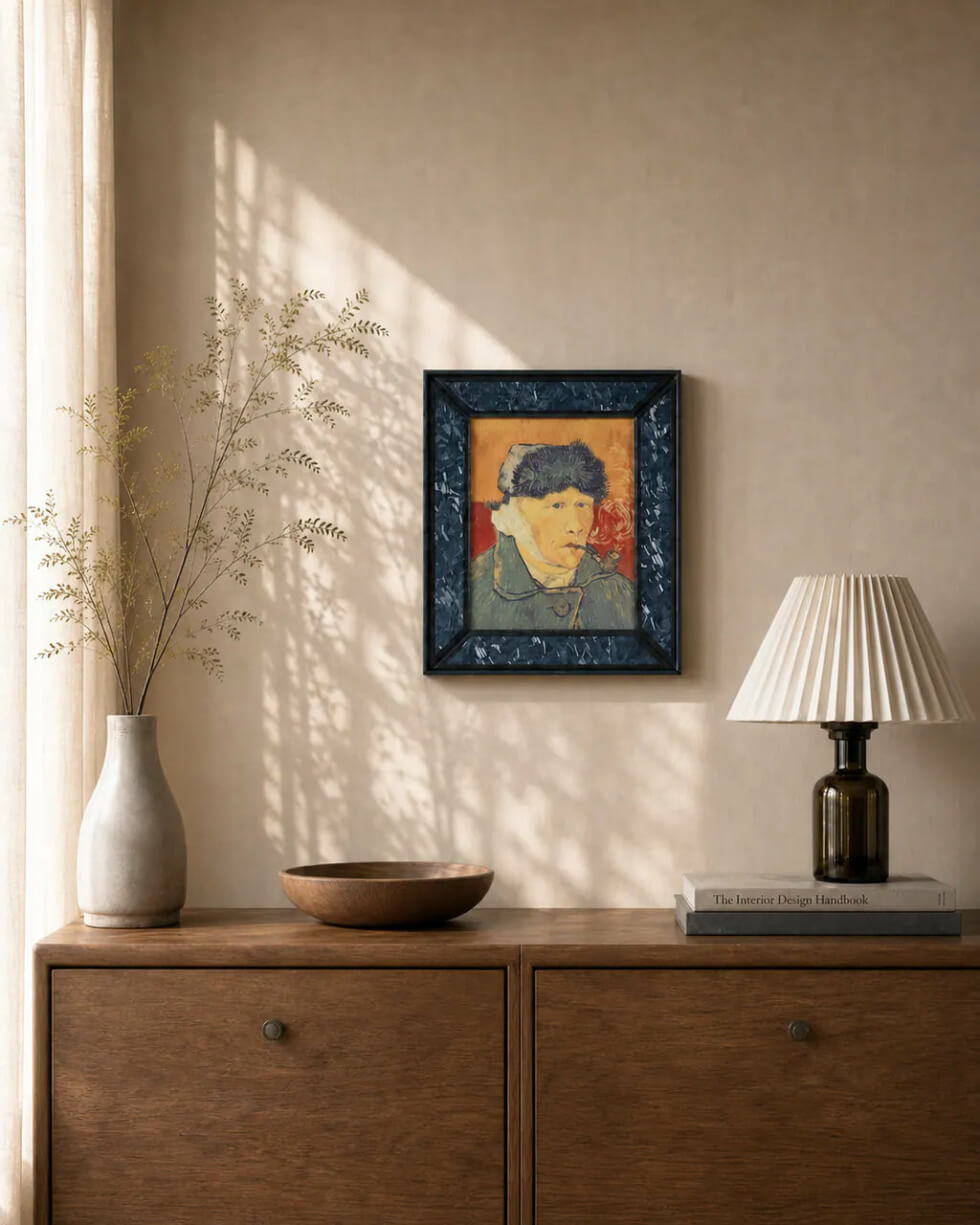
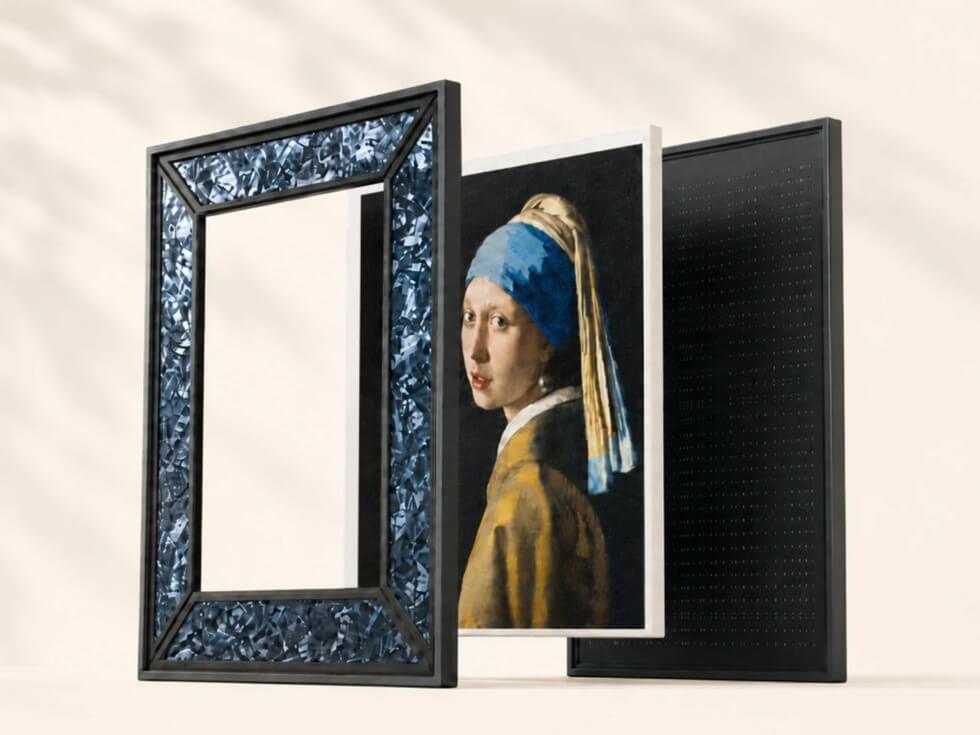
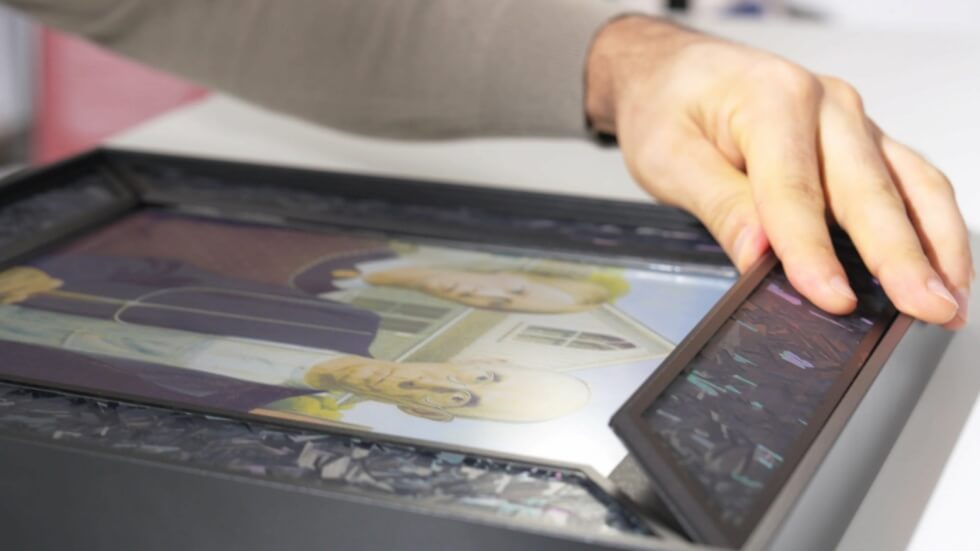
Inkanva uses a removable magnetic panel built around flexible perovskite photovoltaic material. Unlike a conventional solar panel that expects direct sunlight, the company says this panel can harvest energy from ambient indoor light.
That does not mean every setup will remain fully charged forever. Inkanva says self-sustaining operation depends on the amount of light in the room, how long the frame wakes up and how often the image changes. For the 13.3-inch model, the company recommends a well-lit position and an automatic refresh rate of one image per day.
Without the light-harvesting panel, the built-in 5,000 mAh battery is claimed to last up to four months when changing the image once per day. USB-C charging remains available when the frame is used in a darker room or refreshed more frequently.
The idea echoes the Lumacore power bank that charges from ambient light, but E-Ink is a particularly suitable use case because it only needs power when the image changes.
There is also an important size distinction. Inkanva lists the magnetic perovskite mat with the 7.09-inch and 13.3-inch editions. The published specification for the larger 28.5-inch Gallery Edition does not include the same self-charging panel, so buyers should not assume the headline feature applies identically to all three versions.
It Is A Canvas, Not A Tablet Or Television
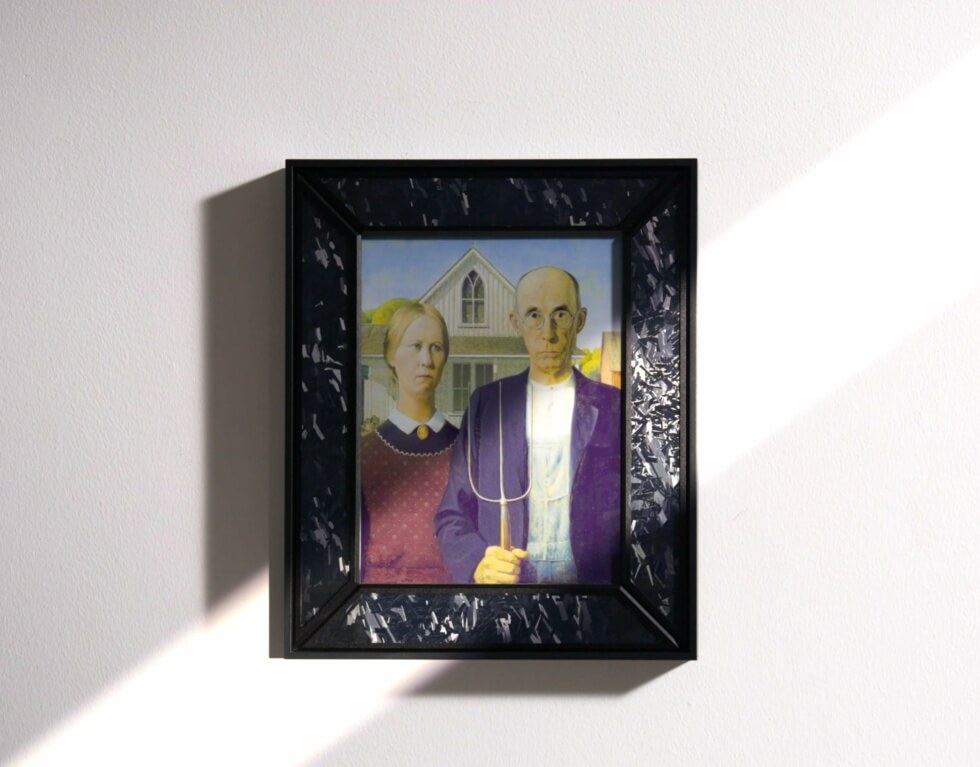
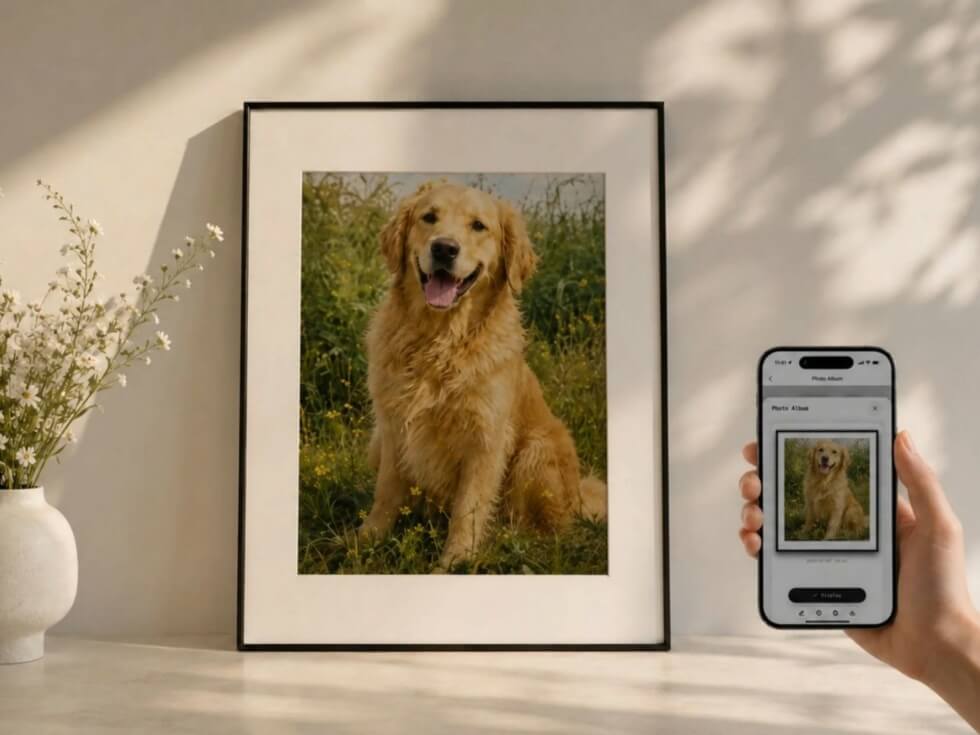
Inkanva uses E Ink Spectra 6, a six-pigment electronic-paper display designed to produce full-color images without a backlight. The surface reflects the room’s light rather than shining light towards the viewer, which gives photographs and artwork a more print-like appearance.
That calm presentation comes with the familiar limitations of color E-Ink. Inkanva says a full image refresh takes around eight to 15 seconds. It is not a touchscreen, and it is not intended for video, animation or fast interaction.
The three Kickstarter sizes are:
- 7.09-inch Desktop Edition: 1200 x 1600 resolution at 280 PPI, with an interchangeable frame and magnetic perovskite mat.
- 13.3-inch Mainstream Edition: 1200 x 1600 resolution at 150 PPI, with interchangeable outer-frame options and the light-harvesting mat.
- 28.5-inch Gallery Edition: 2160 x 3060 resolution at 131 PPI with IGZO HD display technology.
Once an image has finished refreshing, the panel consumes no energy to keep it visible. That makes Inkanva better suited to a favourite photograph, rotating art collection, calendar or quiet information board than a constantly changing smart display.
You Can Use The App, Stay Offline Or Build Your Own Automations
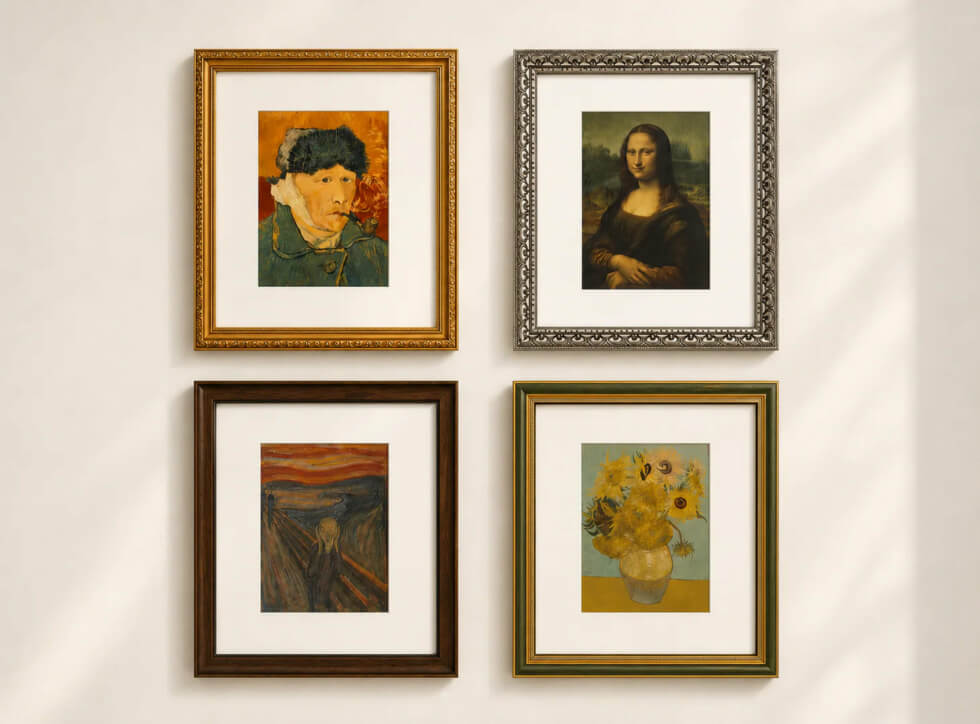
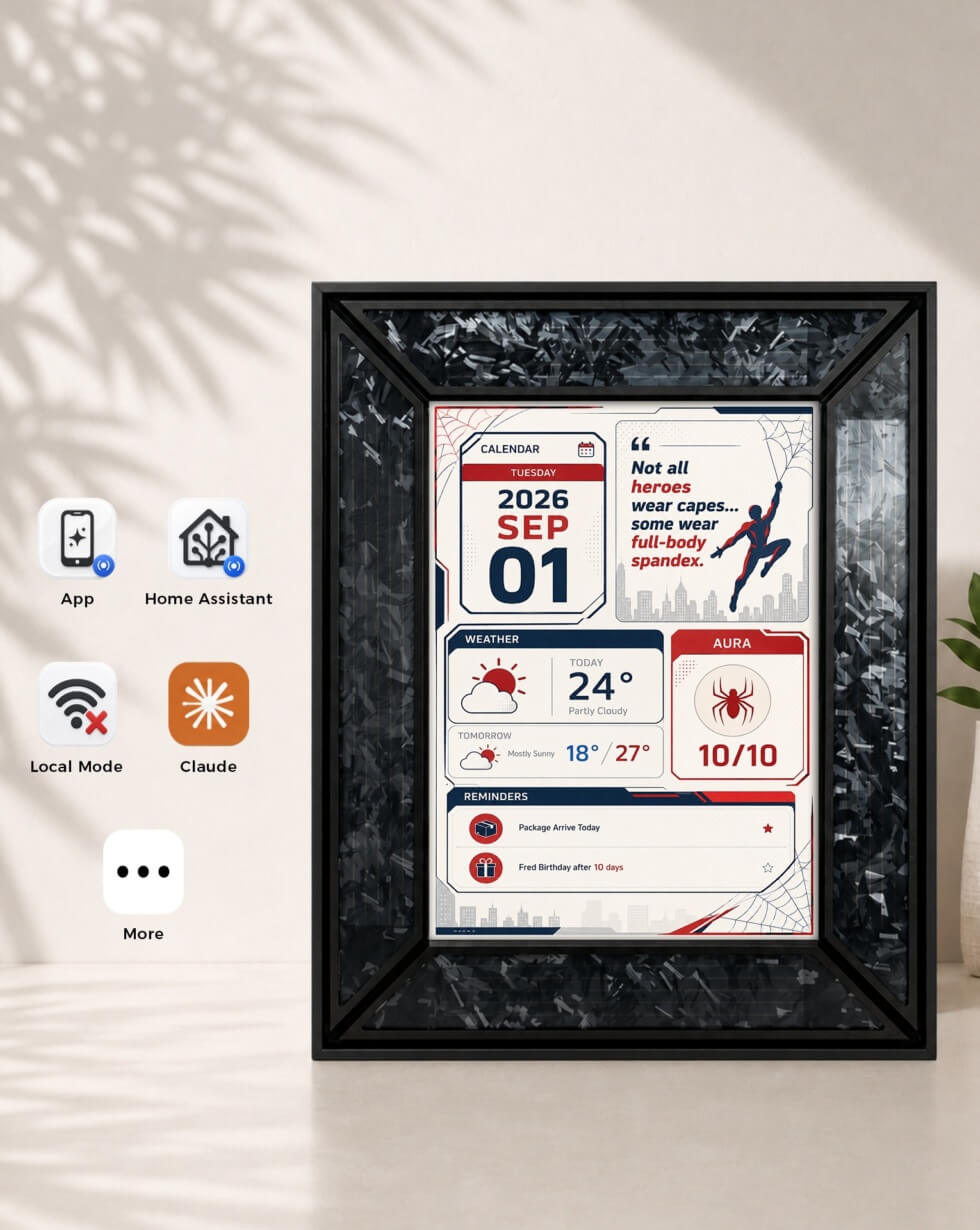
The Inkanva app handles Wi-Fi setup, remote image uploads and frame control. It also includes voice-to-art and doodle-to-art tools, a gallery, personal photo uploads and widgets for information such as weather and calendars.
More technically inclined owners are not locked into the app. Inkanva provides both a cloud API and a local API, along with Home Assistant support. The published OpenAPI documentation allows developers to check frame status, upload artwork, change the displayed image and build scheduled routines.
Local mode avoids the cloud entirely. A phone or computer connects to the frame’s own Wi-Fi hotspot and opens a browser interface for uploads, albums and slideshow rules. Inkanva says the device can store up to 4,000 photos locally.
There is one trade-off. Local mode and app-managed cloud mode are separate. When the frame is operating locally, the Inkanva app does not manage it, so owners need to choose the setup that best fits their privacy and automation requirements.
The campaign FAQ says the app, local mode and APIs have no subscription fee. Inkanva also offers snap-on outer frames, allowing the same display to move between a minimal aluminum look and more decorative styles.
Kickstarter Buyers Should Still Treat It As Crowdfunded Hardware
Inkanva says it completed small-batch trial production in July and entered mass production in October. Global shipping is planned to begin between late November and December, starting with the 28.5-inch model, followed by the 13.3-inch and 7.09-inch editions.
The company says rewards are shipped DDP, with standard customs clearance and VAT included in the reward and shipping cost for supported destinations. It also acknowledges that production and international transit can still cause delays.
The campaign is scheduled to finish on November 15, 2026, and Inkanva advertises discounts of up to 40 percent. Reward availability and pricing can change as tiers sell out, so the live Kickstarter page is the best place to check the current options.
Inkanva’s most convincing idea is not the AI artwork or the interchangeable trim. It is the combination of a display that can hold an image without power and a panel designed to recover the small amount of energy needed to change it.
If the indoor-light charging performs as promised, the 7.09-inch and 13.3-inch versions could behave less like gadgets that need managing and more like artwork that happens to change whenever you want it to.
Back Inkanva On Kickstarter
Images courtesy of Inkanva