Citroën has finally done what the electric-car era was always going to demand: bring back the 2 CV without pretending the original could simply be copied.
The new 2 CV Concept, revealed at the 2026 Paris Motor Show, is a 3.76-metre electric city car aimed at one of the most difficult targets in the industry. Citroën says the production model it previews should be built in Europe, weigh around one tonne and start at roughly €15,000 when it arrives by 2028.
That puts it at the opposite end of the electric-car spectrum from machines such as the 1,015-horsepower Jaguar Type 01. The 2 CV Concept is not chasing speed, luxury or a giant battery. Its whole argument is that a smaller, lighter and simpler electric car could be more useful to far more people.
Citroën kept the idea, not the old bodywork
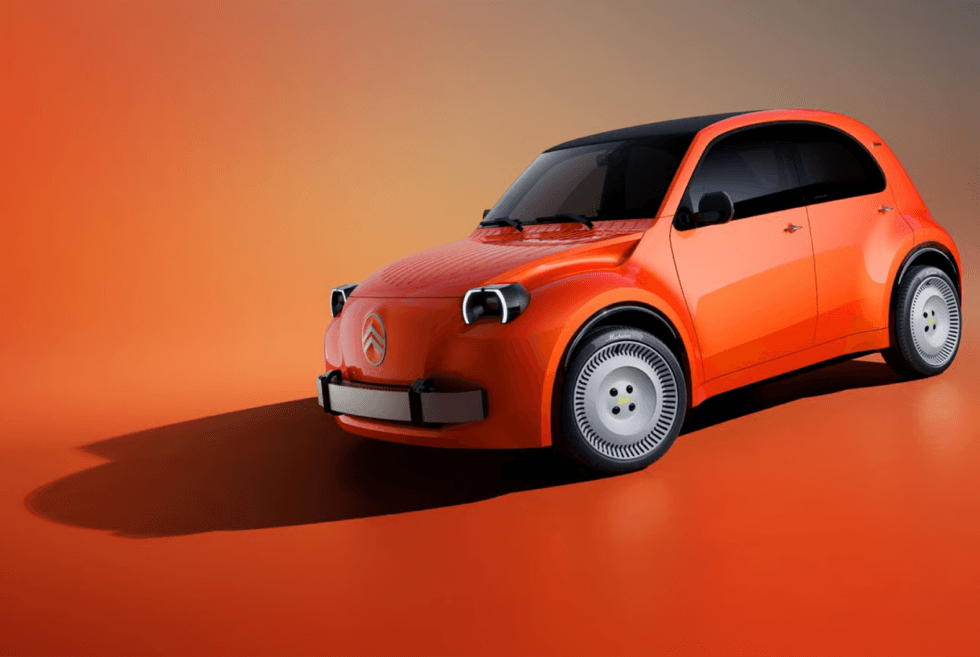
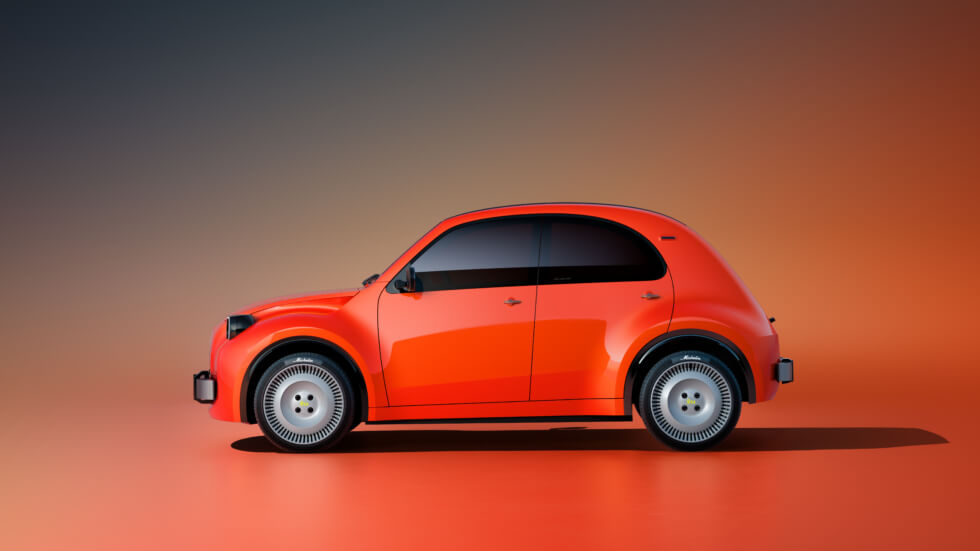
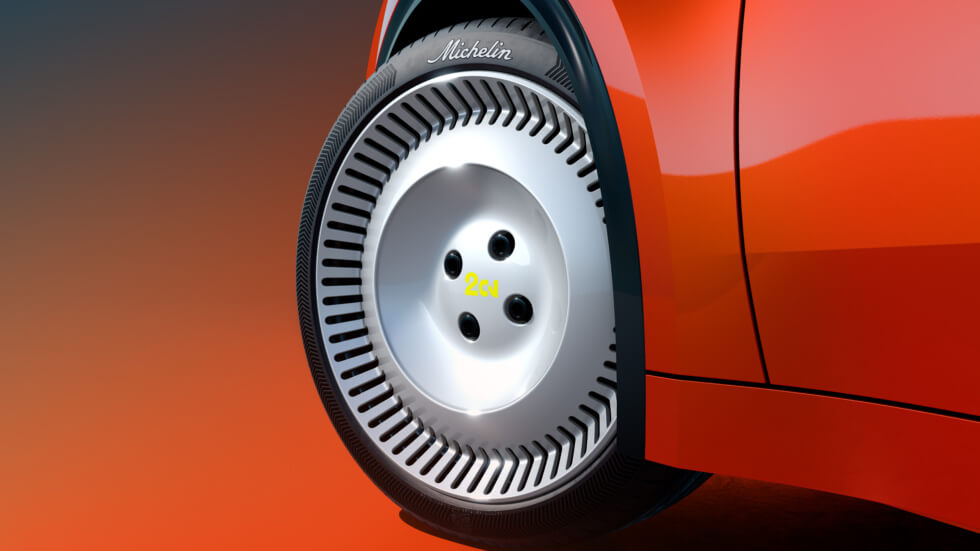
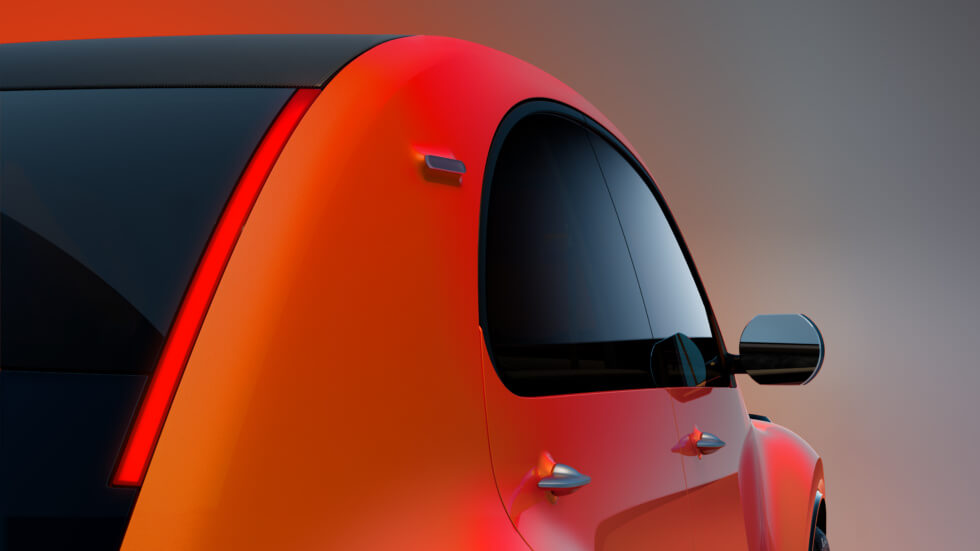
The concept is instantly recognisable as a 2 CV, but it avoids becoming a retro costume. The round headlights sit away from the body, the windscreen remains upright and the roof follows the familiar curved silhouette, while tighter surfaces and larger 18-inch steel wheels pull the shape into the present.
Citroën says the car is actually shorter than the original 2 CV. A target weight of around one tonne should also allow it to use a smaller and less expensive battery, although the company has not yet revealed capacity, range, charging speed or motor output.
Some of the smartest ideas are deliberately low-tech. The bumpers are separate from the body so they can be replaced independently, the air intakes sit directly beneath the windscreen and the cabin avoids a conventional dashboard altogether.
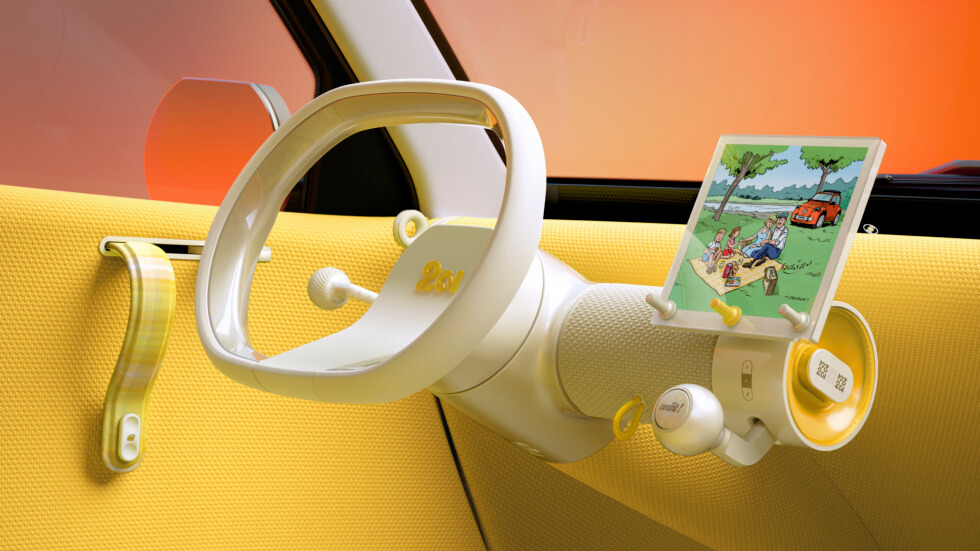
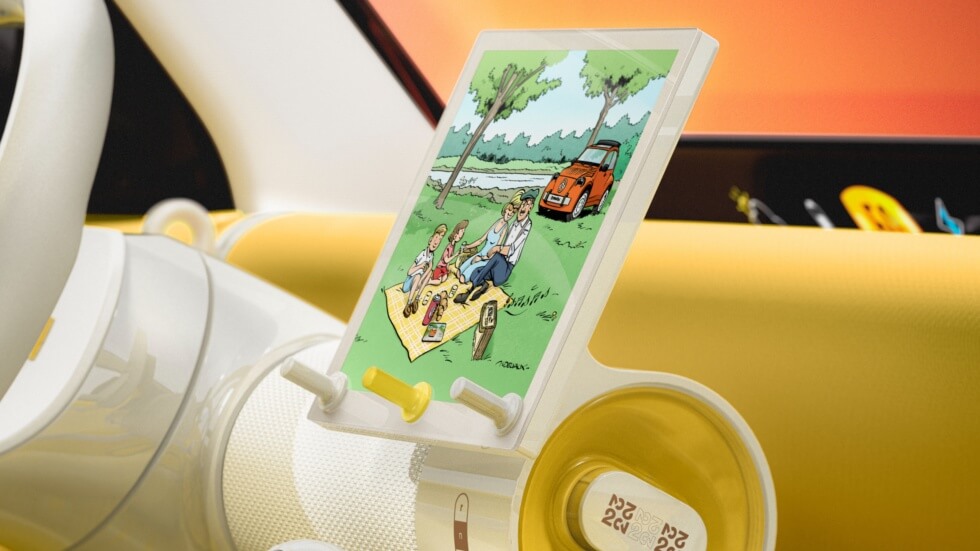
Instead, a horizontal cylinder carries the single-spoke steering wheel, control lever, gear selector and compact driver display. An 8-inch square touchscreen handles the main digital functions, while a detachable unit called Radioën works as both the car radio and a portable speaker.
It remembers how strange the original 2 CV was
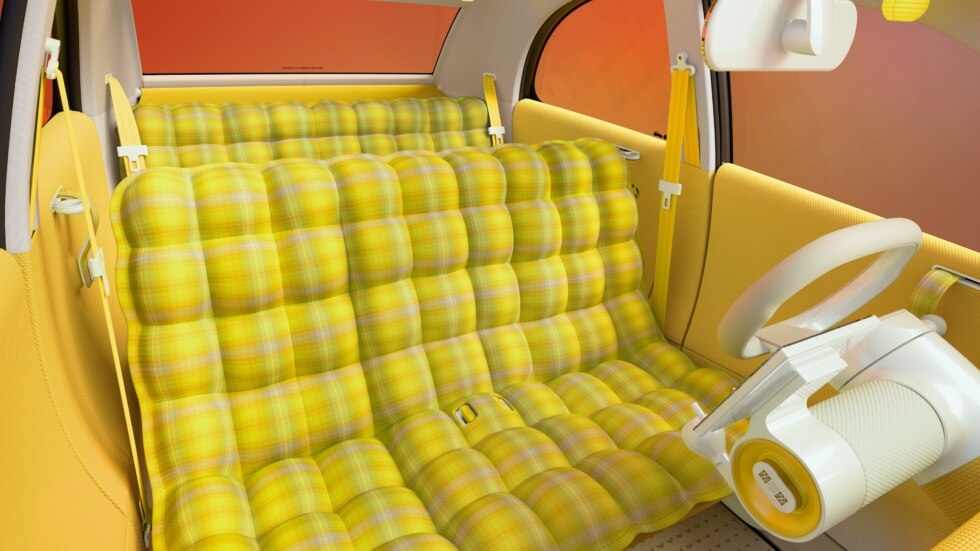
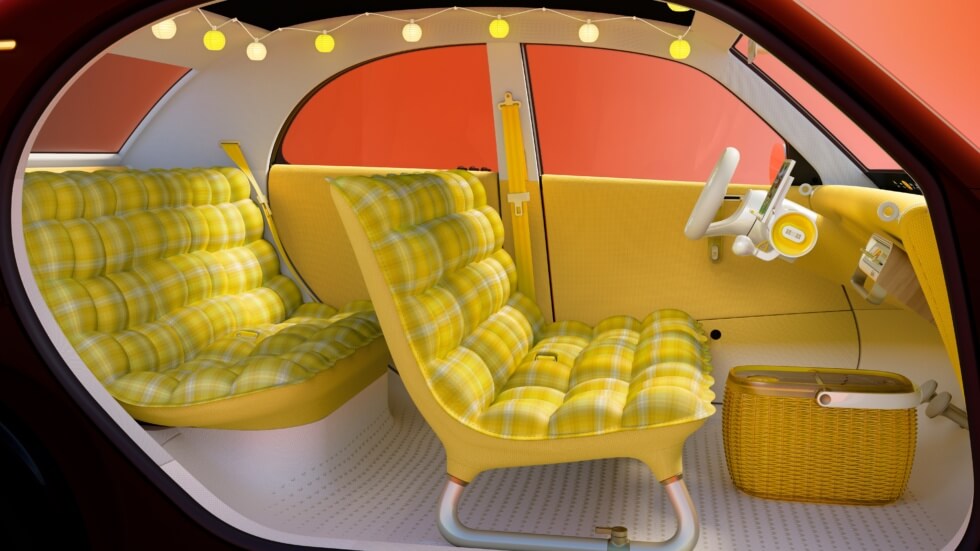
The design team has also resisted making the interior overly serious. The seats wear bright yellow tartan, the fabric roof opens the cabin to the sky and a removable storage basket replaces the usual centre console.
There are stranger details if you look closer. The brake pedal carries a tortoise, the accelerator gets a rabbit and the door compartments are shaped to hold eggs. That last feature is a direct reference to the original 2 CV brief, which famously required the car to cross rough ground without breaking a basket of eggs.
Citroën even created a commercial version for Paris. The 2 CV Fourgonnette Concept adds a compact cargo body inspired by the small vans that once served shopkeepers, tradespeople and delivery drivers. Unlike the passenger concept, however, Citroën says the Fourgonnette is currently a design study rather than a short-term production preview.
The passenger car is the more important of the two. Citroën says it points toward a model due within the next two years, positioned between the Ami and C3 and designed around future European small-car regulations.
A €15,000 target is not the same thing as a confirmed retail price, and much can change before 2028. Battery costs, regulations and equipment requirements will all influence the finished car.
Still, the concept asks a better question than most oversized electric vehicles: how little car do people actually need?
The original 2 CV became an icon because it made mobility simple and accessible. This one has a chance to matter for exactly the same reason.
Learn More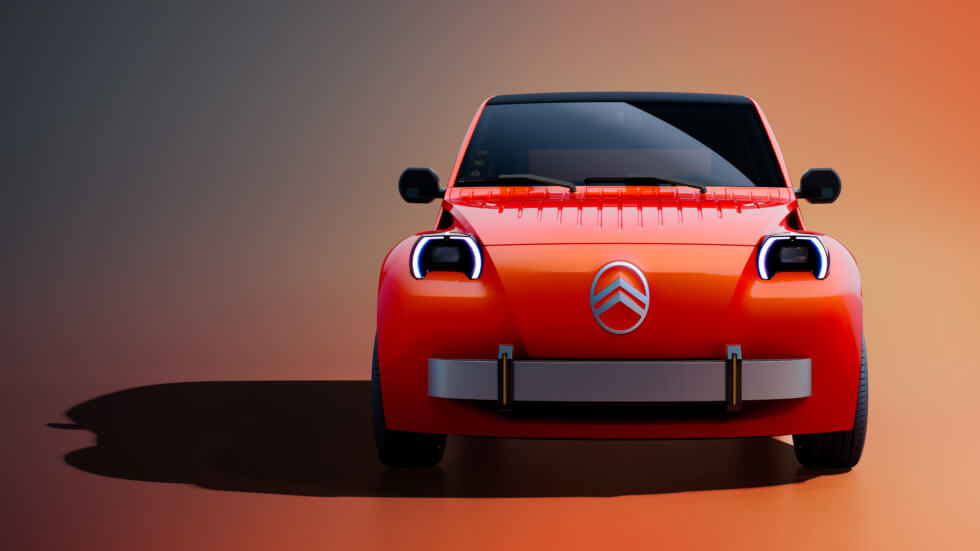
Images courtesy of Citroën