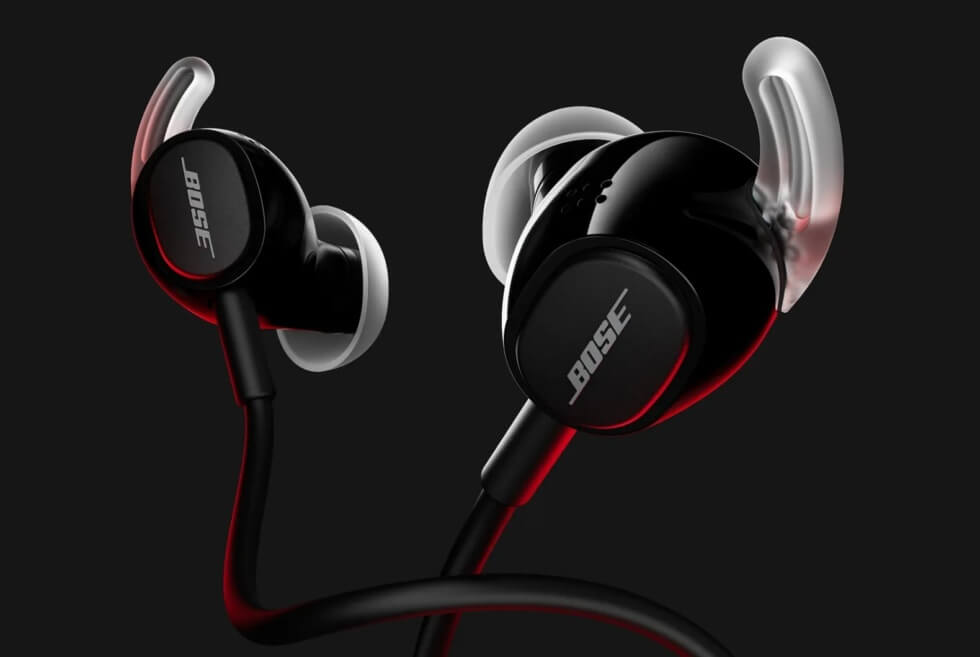
Bose has returned to wired earbuds without bringing back the battery pack that used to come with them.
The new Bose Noise Cancelling Wired Earbuds plug directly into a USB-C phone, tablet or computer. There is no Bluetooth pairing, companion app or internal battery to recharge, yet they still provide active noise cancellation.
At $99, they are also one-third of the US price of Bose’s QuietComfort Ultra Earbuds. The trade-off is straightforward: the cable removes several wireless conveniences, but it also removes charging, pairing delays and most latency.
The USB-C Cable Powers The Noise Cancellation
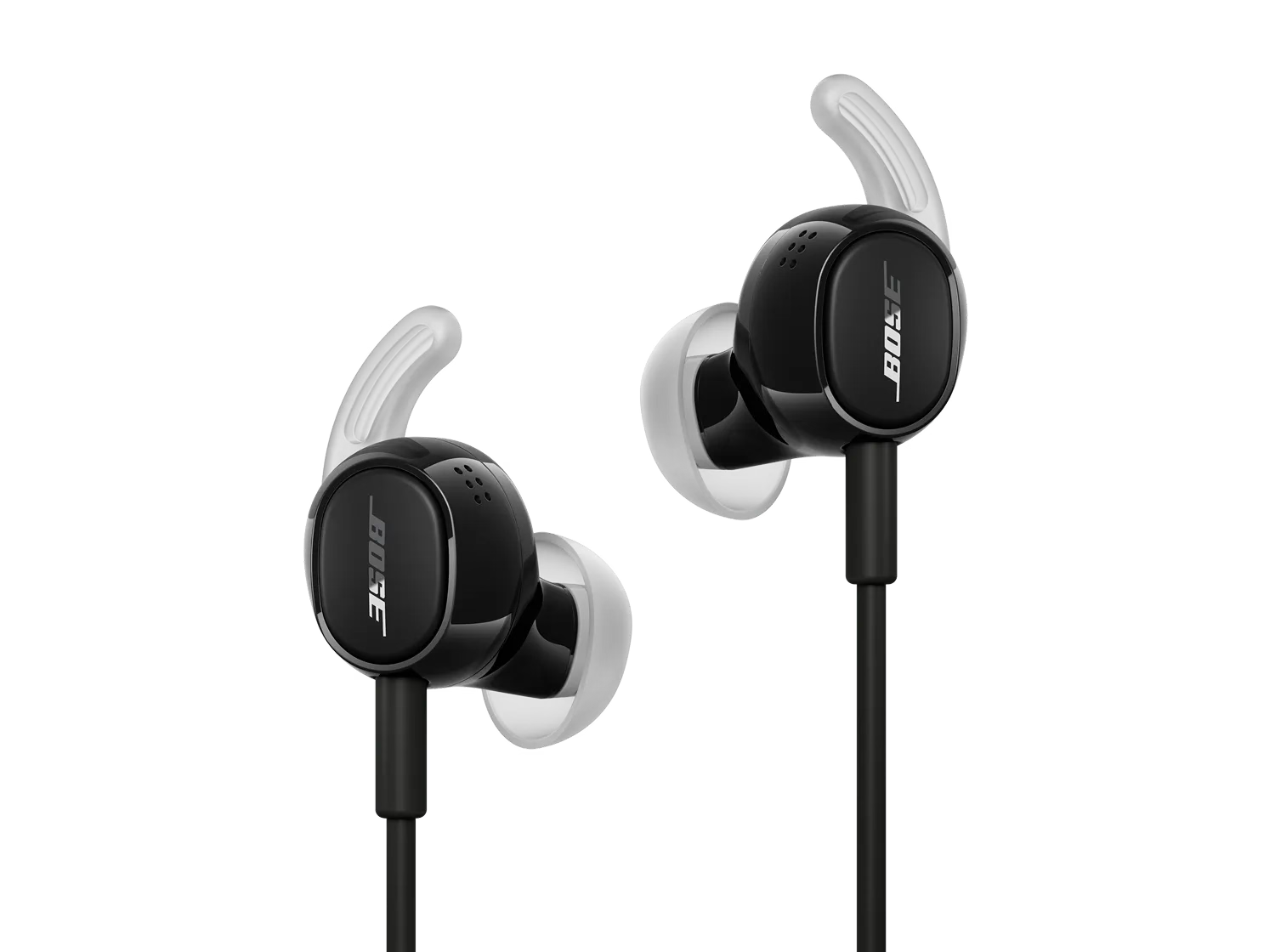
The earbuds draw the energy required for audio processing and noise cancellation directly from the connected device. Bose offers three listening modes through the inline controller: Quiet, Aware and ANC Off.
That USB-C connection is not simply a modern replacement for a 3.5mm plug. Bose says non-USB adapters will not work because the earbuds need digital audio and power from the source device. The cable measures approximately 4.2 feet, with a three-button remote and separate microphone for calls.
Physical controls handle volume, playback, calls and listening modes. A single press on the middle button pauses music or answers a call, double-pressing skips forward, triple-pressing goes back and a long press cycles through the ANC settings.
This is not the first time wired USB-C audio and ANC have met. The Razer Hammerhead USB-C ANC followed a similar basic idea years ago. Bose’s version arrives when wired earbuds are moving back into mainstream fashion rather than being treated as a temporary bridge between the headphone jack and Bluetooth.
It Behaves More Like A Small USB Audio Device
Bose uses the USB Audio Class 2 protocol and its SoundDesign digital processing. The earbuds can accept source material at different sample rates and bit depths, but playback output is fixed at 24-bit/48kHz.
That supports lossless playback without promising every high-resolution format at its native rate. The direct connection also keeps audio and video closely synchronised, making the earbuds relevant for gaming, editing and content creation as well as music.
There is no wireless codec to select and no Bluetooth connection to interrupt. On the other hand, the earbuds only work with compatible USB-C sources. A traditional hi-fi component with a 3.5mm or 6.35mm socket is not their natural home.
No App Also Means Fewer Advanced Bose Features
The simplicity has a cost. These earbuds do not support Bose Immersive Audio, CustomTune, ActiveSense, Bluetooth multipoint, voice control or app-based adjustment.
They are designed around the three listening modes and Bose’s fixed sound tuning rather than a menu of personalised options. For some buyers, that is the entire appeal. Plug them in, select the amount of outside noise you want to hear and start listening.
Three sizes of silicone eartips and two sizes of stability bands create nine possible fit combinations. The earbuds are rated IPX4 against sweat and light splashes, and Bose includes a zippered carrying case.
Colour options include Black, White Smoke and a limited-edition Dewdrop Mint.
Bose’s Wired Comeback Has Already Drawn Heavy Demand
Bose announced the earbuds on September 28 and started shipping them on October 15. In an interview with TechRadar, Bose Premium Audio president Raza Haider connected the launch to the renewed popularity of simpler, less technology-dependent products among younger listeners.
The demand appears real. On launch day, Bose’s US and UK product pages were both marked out of stock, with notification sign-ups replacing the normal purchase button.
The US price is $99, while Bose UK lists them at £99.95. Availability may change quickly as the initial inventory is replenished.
Wireless earbuds remain more convenient when a cable gets in the way. Bose’s wired model makes the opposite argument: sometimes the easiest way to improve reliability is to remove the radio, the app and the battery entirely.
Check Availability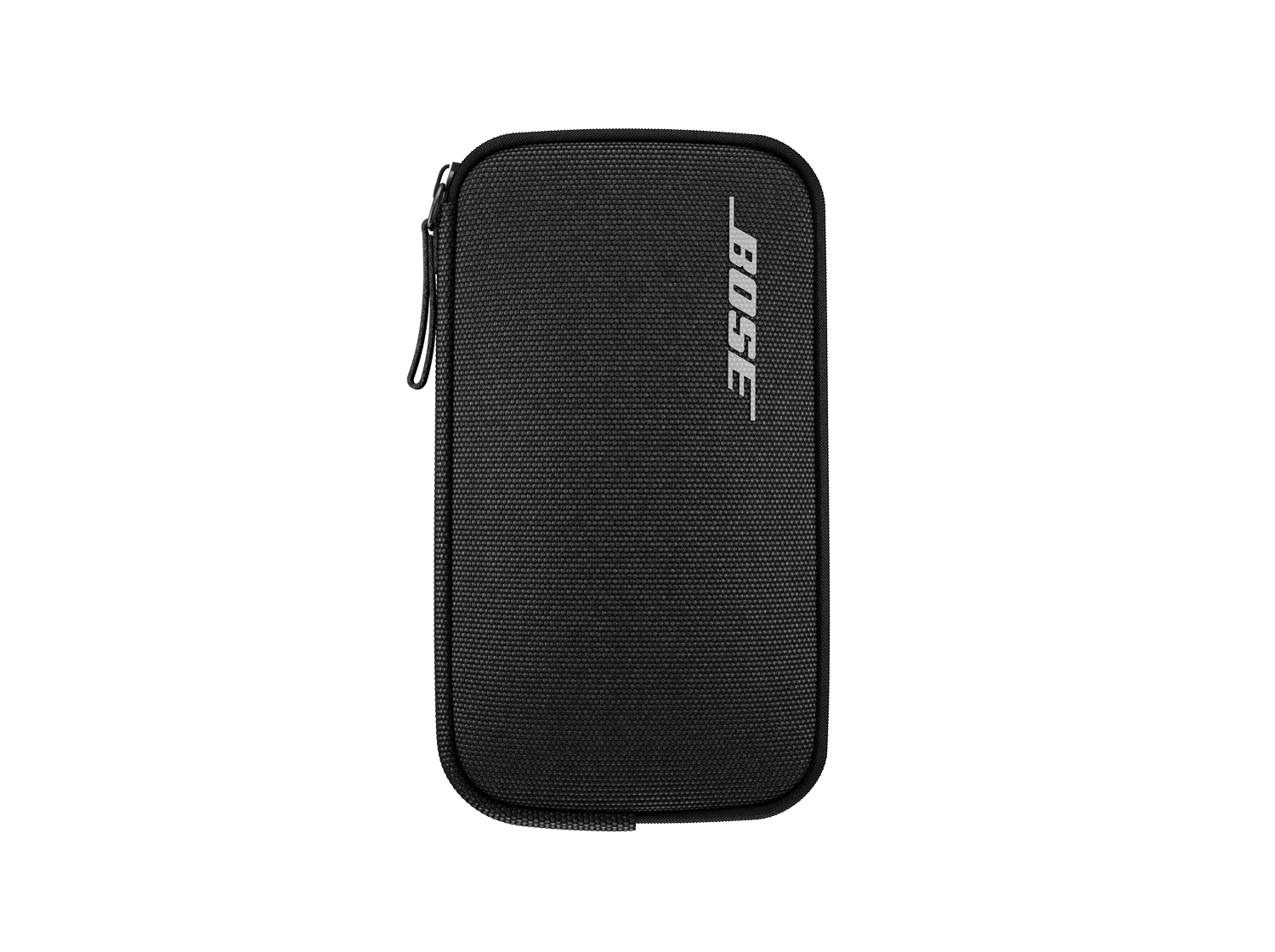


Images courtesy of Bose