Maintaining a clean home takes time and effort, especially in busy households where dust, pet hair, food crumbs, and everyday dirt can quickly build up. Although conventional vacuum cleaners remain essential cleaning tools, automated appliances offer an alternative for keeping floors tidy with less manual work. A robot vacuum is a small, automated device that moves around indoor spaces, collects debris, and helps maintain a regular cleaning schedule.
Advances in sensors, navigation, battery performance, and smart technology have made robotic cleaning devices increasingly practical for everyday use. Understanding their capabilities, limitations and maintenance requirements can help homeowners decide whether this technology suits their needs.
What Is a Robot Vacuum?
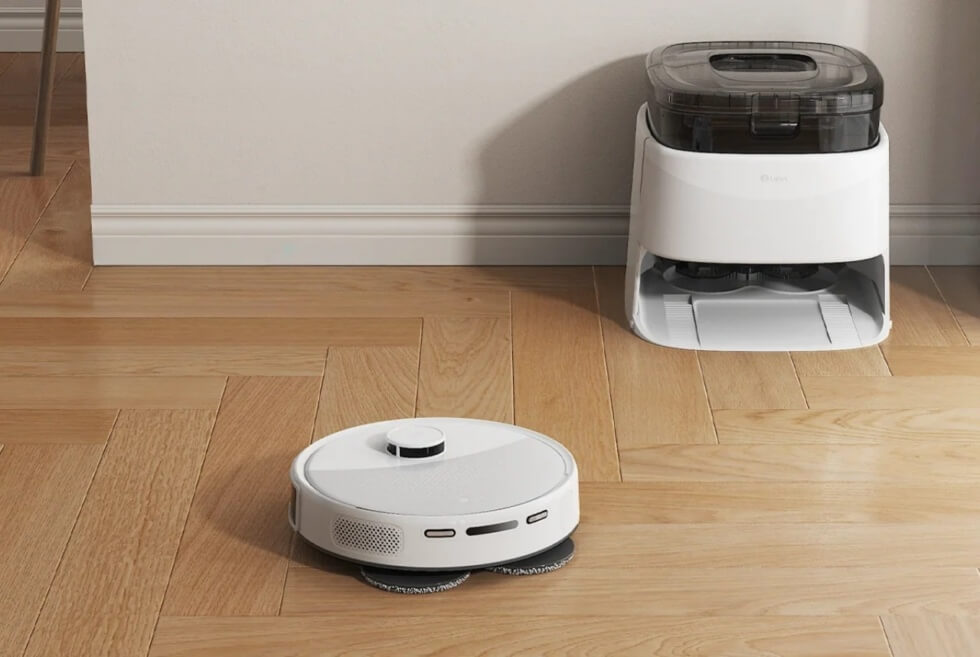
A robot vacuum is an automated household appliance designed to collect dust, hair, and loose particles from floors without requiring continuous human control. Depending on its features, it may use cameras, sensors, mapping systems, or programmed movement patterns to navigate rooms and avoid obstacles.
Many models allow users to schedule cleaning sessions, enabling the appliance to operate while people are working, relaxing or completing other household activities. Smartphone applications may provide additional controls, including starting a cleaning cycle, selecting rooms and adjusting operating settings.
Despite their convenience, these appliances cannot perform every cleaning task. Staircases, furniture upholstery, curtains, and certain narrow spaces may still require a conventional vacuum cleaner or other cleaning equipment. Their primary purpose is to simplify routine floor maintenance rather than eliminate every manual cleaning task.
How Robotic Vacuum Cleaners Navigate a Home
Navigation technology determines how efficiently an automated cleaner moves around a property. Simpler devices may follow random or programmed patterns, using sensors to identify nearby objects and change direction when necessary. More sophisticated models can map rooms and calculate routes intended to improve cleaning coverage.
Obstacle-detection sensors help robotic cleaners move around furniture, walls and other objects. Some models also feature sensors that detect stairs or sudden drops, helping prevent accidental falls. Mapping technology can make it possible to select particular rooms, establish restricted zones and organise cleaning according to household requirements.
Different manufacturers use different navigation methods, including cameras, laser-based systems and combinations of sensors. Performance depends on the quality of the technology and the surrounding environment. Poor lighting, reflective surfaces, cluttered floors, and frequently moved furniture may affect the navigation capabilities of certain devices.
Cleaning Performance on Different Floor Types
Most robotic vacuum cleaners are designed to work on hard floors and selected carpeted surfaces. Their effectiveness depends on several factors, including suction power, brush construction, airflow, floor clearance and the ability to adapt to different materials.
On hard surfaces such as tiles, laminate and hardwood, robotic cleaners can collect everyday dust, crumbs and loose dirt. Carpet cleaning presents different challenges because particles can become trapped between fibres. Devices with suitable brush systems and adjustable suction may perform better on carpets than models designed primarily for smooth flooring.
Thick rugs and deep-pile carpets can be particularly difficult for some machines to navigate. Long hair may also become wrapped around rotating brushes, reducing cleaning efficiency until the obstruction is removed.
Before choosing a model, homeowners should consider the flooring throughout their property. Features such as automatic suction adjustment and appropriate brush designs can help accommodate different surfaces, although results vary between products.
Smart Features and Automated Cleaning Schedules
Smart technology allows users to manage cleaning routines with greater flexibility. Many robotic cleaners offer application-based controls that make it possible to schedule sessions, start the appliance remotely, and adjust certain settings. Models with advanced mapping may also support room selection and virtual boundaries.
Automatic charging is another useful feature. When the battery becomes low, compatible devices can return to their charging stations before resuming cleaning when necessary. Some systems include self-emptying docks that transfer collected dirt into a larger container, reducing the frequency of manual emptying.
People exploring the products presented on the Dyson robot vacuum page can examine the available designs and technological features to understand different approaches to automated cleaning. Comparing practical capabilities is more useful than choosing a product solely because it offers the greatest number of smart functions.
The best combination of features depends on the size of the home, cleaning frequency, and individual preferences. For some households, reliable scheduling is sufficient, while others may benefit from detailed mapping and automatic debris disposal.
Maintenance and Long-Term Reliability
Automated cleaning does not mean maintenance-free operation. Dust containers need regular emptying, filters require cleaning or replacement according to manufacturer guidance, and brushes should be inspected for tangled hair and accumulated dirt.
Keeping sensors and charging contacts clean can also help maintain dependable performance. Devices that use mapping software may receive updates that improve functionality or address technical issues, depending on the manufacturer’s support arrangements.
Maintenance frequency depends on the environment in which the appliance operates. Homes with several pets or substantial daily foot traffic may generate more debris, requiring more frequent attention to brushes and filters. Checking the manufacturer’s maintenance recommendations can help prevent avoidable performance problems.
Replacement parts should also be considered before purchasing a device. The availability and cost of compatible filters, brushes, batteries, and other components can influence the overall expense of ownership.
Choosing the Right Model for Your Household
Choosing a suitable robotic cleaner starts with understanding the property’s layout and cleaning requirements. Pet owners may prioritise effective hair collection and brushes that are easy to clean. Larger homes may benefit from accurate mapping, longer battery life and features that allow individual rooms to be cleaned separately.
Other considerations include furniture clearance, floor transitions, operating noise and dustbin capacity. A compact design may fit beneath certain furniture, while a larger model could provide a greater debris capacity. Measuring tight spaces and checking the appliance’s dimensions can help avoid compatibility problems.
Self-emptying stations may reduce routine maintenance, although they can increase the purchase price and introduce additional consumable costs. Buyers should also consider whether the machine can handle cables, loose objects, and delicate household items safely.
A careful comparison of essential features, expected maintenance, and long-term costs can help households choose a model that offers practical value rather than unnecessary complexity.
The Role of Robotic Cleaning in Everyday Life
Robotic vacuums can make everyday floor care more manageable by collecting loose dirt before it accumulates. Regular cleaning sessions may help maintain a tidier environment and reduce the amount of manual vacuuming required between deeper cleaning tasks.
Nevertheless, results depend on the appliance, the type of flooring, and the condition of the home. Some areas may remain inaccessible, while heavily soiled carpets and stubborn dirt may require more intensive cleaning. Occasional supervision and routine maintenance remain important for reliable operation.
As household automation continues to evolve, robotic cleaners are becoming an increasingly useful option for managing routine domestic tasks. Evaluating navigation systems, cleaning performance, maintenance needs, and practical features allows consumers to make informed decisions and select eq