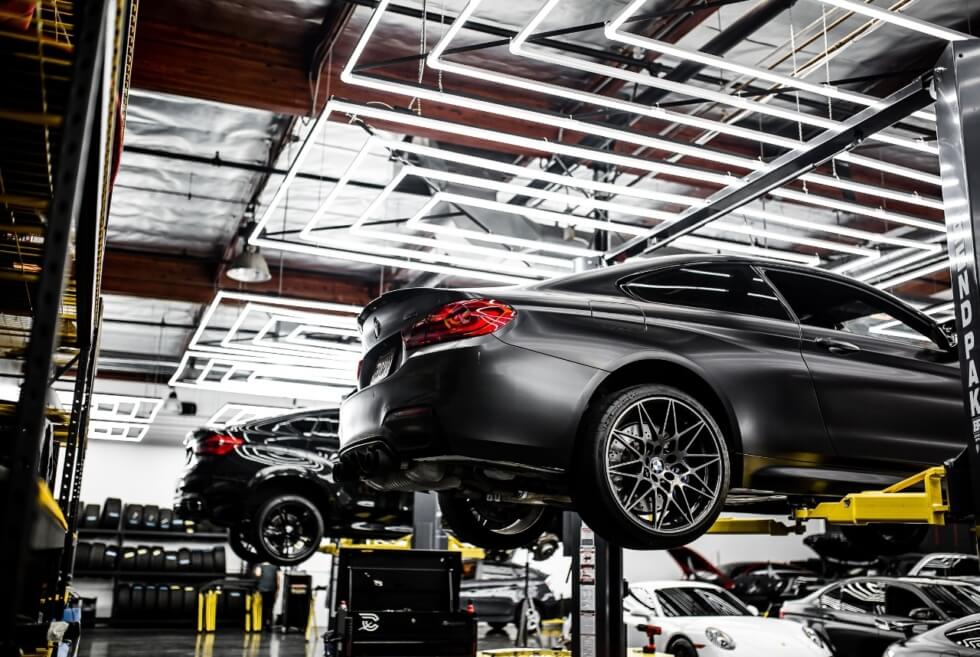
Most drivers know their car will need work at some point. Few set money aside for it. When a repair comes up, the cost comes out of the checking account, and the rest of the month’s budget has to stretch to cover it. The problem usually isn’t the size of the bill. It’s that there was no money set aside to pay it.
A car maintenance fund solves this. It’s money you save for one purpose: paying for your car’s upkeep and repairs. It won’t make repairs cheaper, but it will keep them from throwing off your budget. This guide explains how to decide how much to save, where to keep the money, and how to keep the fund growing with little effort.
Why Car Repairs Catch So Many People Off Guard
Many car expenses are more predictable than they seem. Brakes, tires, and batteries all wear out over time, and most drivers know they’ll need replacing eventually. What catches people off guard is not knowing exactly when, and not having a place for these costs in their budget.
Car Costs Don’t Arrive Every Month
A monthly budget works well for rent, groceries, and utilities because those bills come every month. Car costs don’t. You might spend almost nothing for months, then need new tires and a major service around the same time. Spread over a full year, the total is manageable. Paid all at once, it can be a real strain.
The AAA Your Driving Costs study includes maintenance and repair as a regular part of the cost of owning a car, along with fuel and insurance. That’s a useful way to think about it. Upkeep is a normal expense. It just doesn’t show up on a regular schedule.
Paying With a Credit Card Adds to the Cost
Without savings, most people put repairs on a credit card. If you can’t pay the balance off right away, interest can add a lot to the original bill. That debt also makes it harder to save for other goals, and your car will likely need more work before long.
Many households are in this position. The Federal Reserve’s Survey of Household Economics and Decisionmaking has found year after year that a large share of adults would struggle to cover an unexpected expense with cash. Car repairs are one of the most common unexpected expenses people face.
How Much to Save in Your Car Maintenance Fund
Since most car costs can be estimated, the next step is working out how much to save. There’s no single correct amount, but a little planning will get you close.
Consider Your Car’s Age and Mileage
A new car still under warranty usually needs little beyond oil changes, tire rotations, and small items like wiper blades. An older car with high mileage is different. Parts like the suspension, water pump, and sensors are more likely to fail, and the warranty has usually expired.
Check your owner’s manual. It lists the recommended service schedule for your model, including larger jobs that are due at certain mileages. Make a note of any that are coming up in the next year or two. That list is a good starting point for your fund.
Separate Regular Maintenance From Repairs
It helps to divide your expected costs into two groups. The first is regular maintenance, such as oil changes, filters, tire rotations, and inspections. These are easy to estimate because you’ve probably paid for them before. If you’re not sure, ask your mechanic for current prices.
The second group is repairs, which cover parts that break or fail without warning. You can’t know exactly what will go wrong, but you can plan for the likelihood that something will. If your car is older, or you plan to keep it for many more years, set aside more for this group.
Turn the Yearly Total Into a Monthly Amount
Add the two groups together to get an estimated yearly cost. Divide that by twelve, and you have your monthly savings goal.
If that amount is more than you can manage right now, start with less and increase it later. Saving something is better than saving nothing. Some drivers also like to build up enough to cover one medium-sized repair before moving to regular monthly savings. That way, the fund can help right away instead of only after a full year.
Where to Keep Your Car Fund
Your fund is only useful if the money is there when you need it. Where you keep it affects how easy it is to access and how likely you are to spend it on something else.
Keep It Separate From Your Everyday Money
If your car savings sit in the same account you use for daily spending, it’s easy to lose track of them. The money gets spent on other things, and it’s gone when your car needs work. Keeping the fund in a separate account, or in a clearly labeled savings category, makes it much easier to protect.
A separate account also shows you at a glance whether you have enough saved for a repair or still need to add more.
The Benefits of a Good Checking Offer
If you’re opening a new account for your car fund, it’s worth comparing what banks offer new customers. Some checking accounts come with a sign-up bonus, no monthly fees, and no minimum balance requirement, and each of these can help your fund. A promotion such as a $400 checking account bonus can give your fund a solid starting balance before you’ve saved anything yourself, which means you’re better prepared for routine maintenance from the start.
Be sure to read the terms carefully, since bonuses often require direct deposit or a minimum deposit amount within a certain time period. An account with no monthly fees also helps, because small charges can add up and reduce your savings over the years. If the account can be linked to an interest-earning savings account, your fund can grow a bit while you’re not using it.
Choose an Account That’s Safe and Easy to Access
Whichever bank you choose, make sure your account is covered by FDIC deposit insurance. A car fund is not an investment. The money should be there in full when you need it, not tied to the ups and downs of the stock market.
Quick access matters too. If it takes several days to move the money, you may end up using a credit card anyway. Choose an account that lets you transfer funds quickly or pay the repair shop directly.
Habits That Keep Your Fund on Track
Opening the account is the easy part. Keeping the fund going for as long as you own your car depends on a few simple habits.
Set Up Automatic Transfers
Schedule your monthly transfer for the day after you get paid. When the money moves automatically, you’re less likely to miss it or skip a month. Manual transfers are easy to forget, especially after the first few months.
Rebuild the Fund After You Use It
The fund is meant to be used. The risk is leaving it empty afterward. After a large repair, increase your monthly transfer for a while until the balance is back where it was. Otherwise, you may have to rely on a credit card for the next repair.
Keep a Record of Every Service
Write down each service or repair, along with the date, mileage, and cost. A simple note on your phone is enough. Over time, this record shows you what your car really costs to maintain, which helps you set a more accurate savings goal. It’s also useful when you sell the car, since buyers tend to trust a car with a documented service history.
Your records can also help you decide when a car is no longer worth repairing. If repair costs keep rising faster than you can save, that’s a sign it may be time to start saving toward your next car instead.
Final Thoughts
Every car will need maintenance and repairs, but those costs don’t have to disrupt your finances. A dedicated fund, based on your car’s needs and supported by regular automatic savings, turns unexpected repair bills into expenses you’ve already planned for. Keep the money in a separate, safe, and easily accessible account, rebuild it after each use, and use your service records to adjust your savings over time. With these steps in place, the next repair will be much easier to handle.